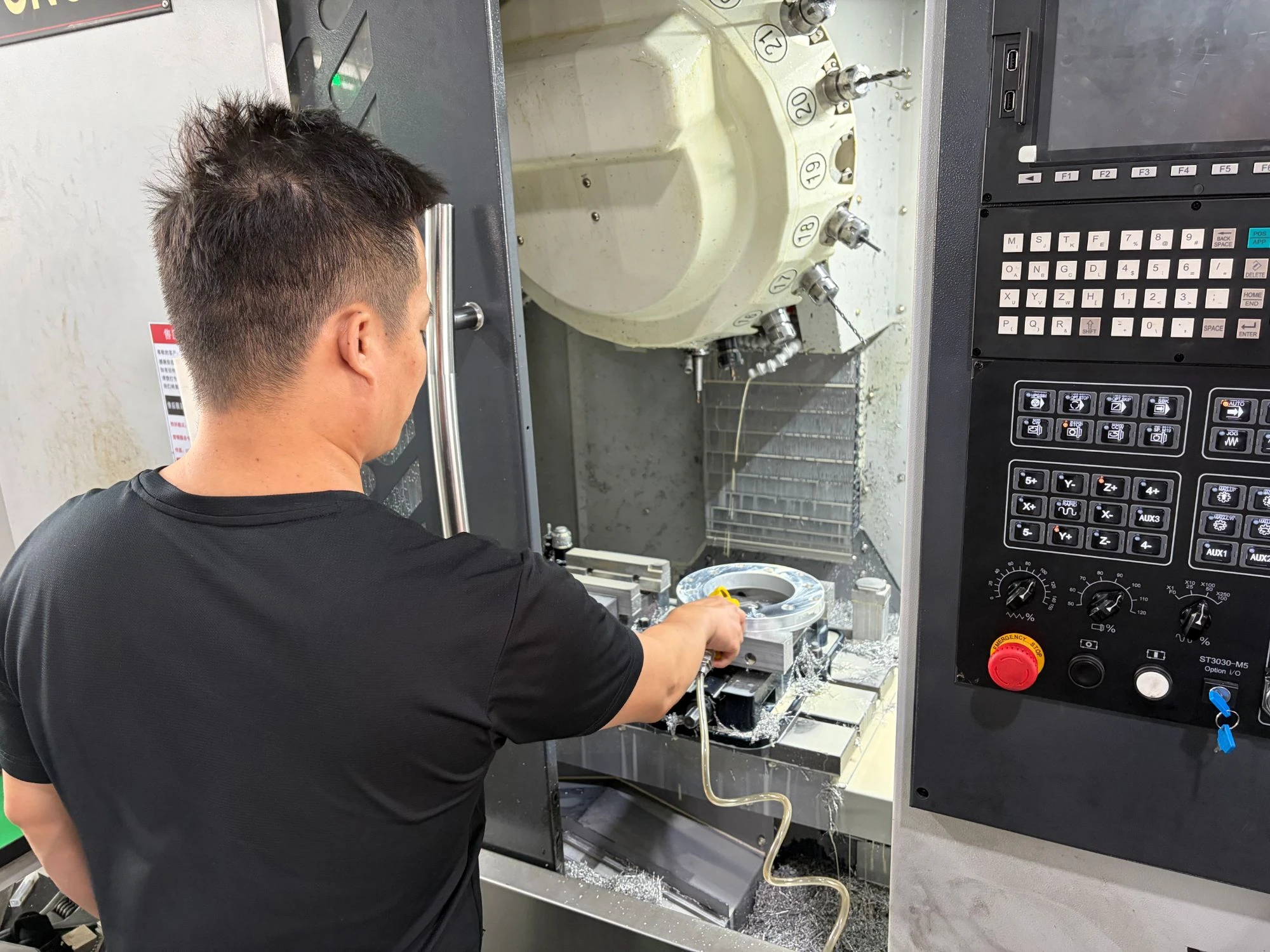
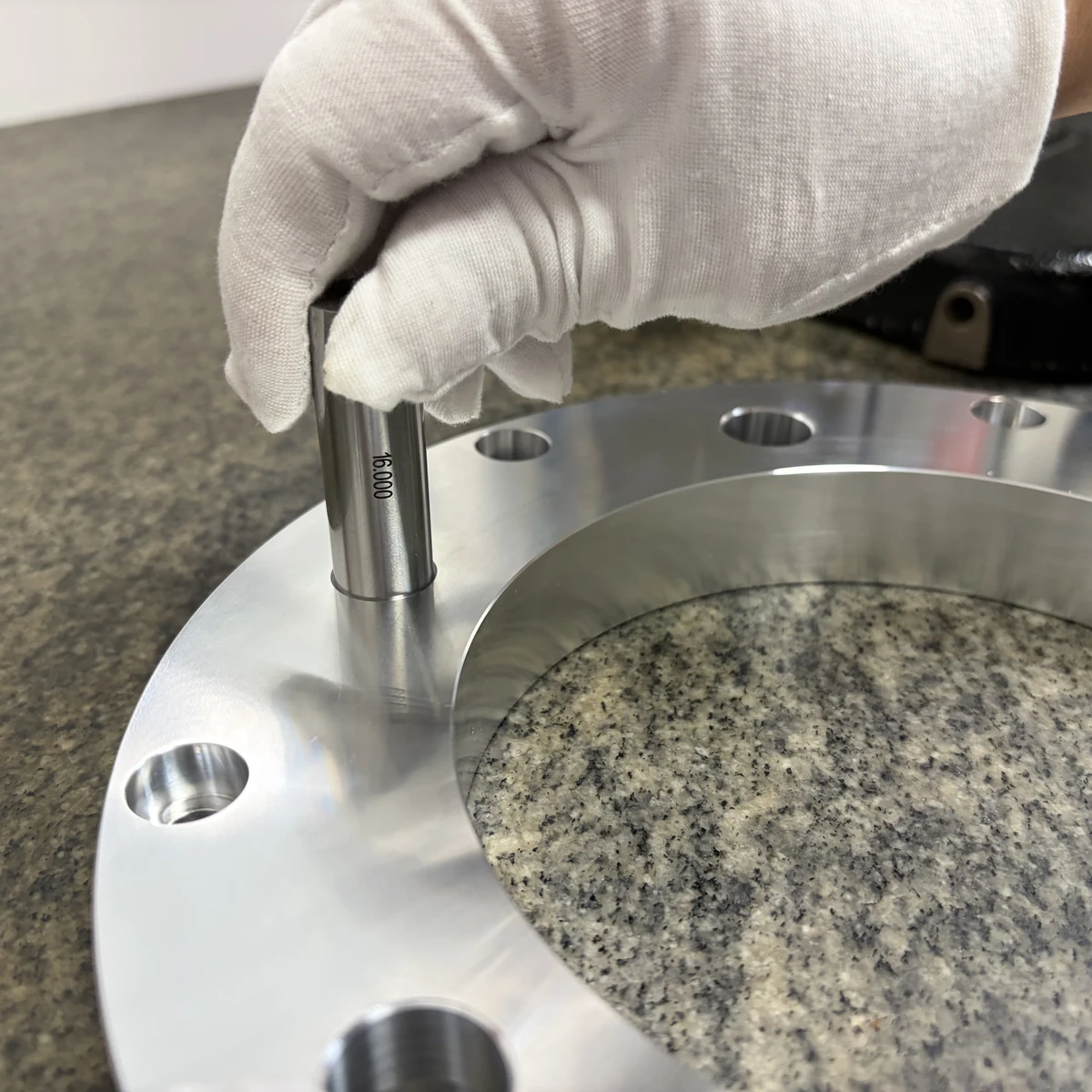
Resources · Case Studies

CNC Part Case Notes
& Application Examples

Anonymized application notes organized by part family, machining process, and material — built to document real Meili projects over time. Customer names and drawings are not published without approval.

Drawing-based review Anonymized documentation Monthly case notes Dongguan · Since 2017
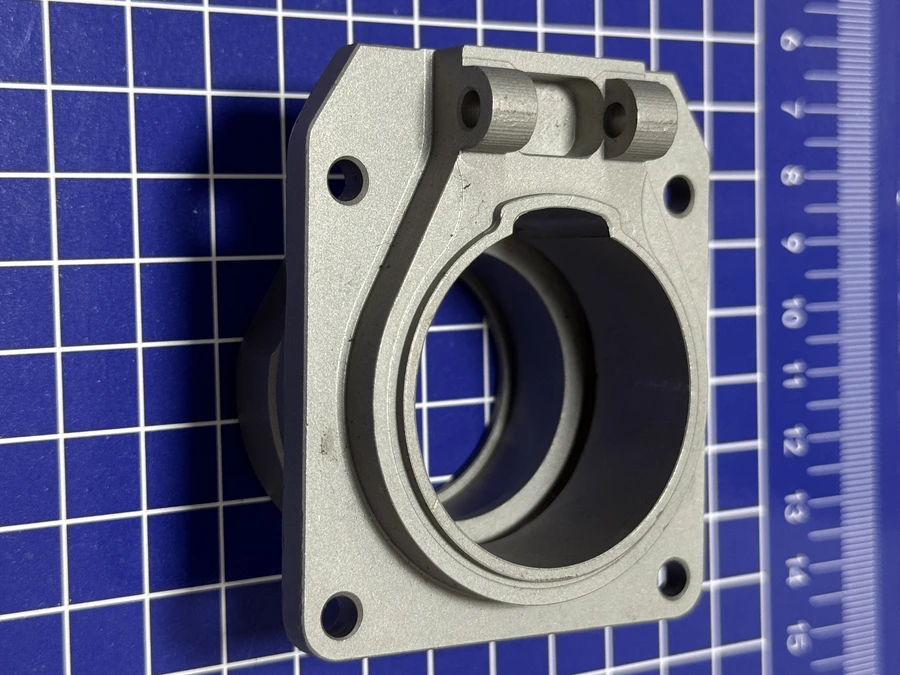
hero-part-collage-01.webp
600 × 600 px · WEBP
/images/case-studies/
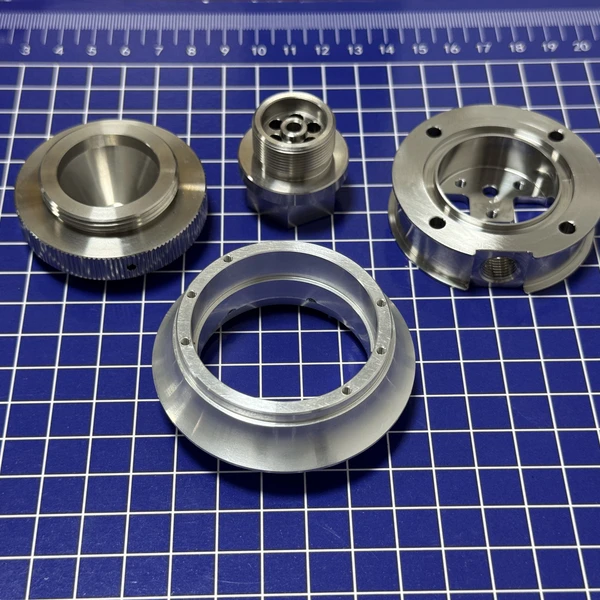
CNC machined precision part — case studies collection
hero-part-collage-02.webp
600 × 600 px · WEBP
/images/case-studies/
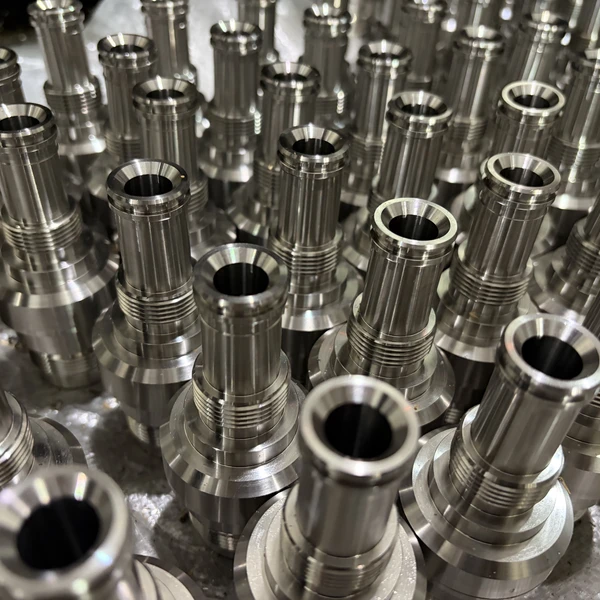
CNC turned shaft or housing — case studies collection
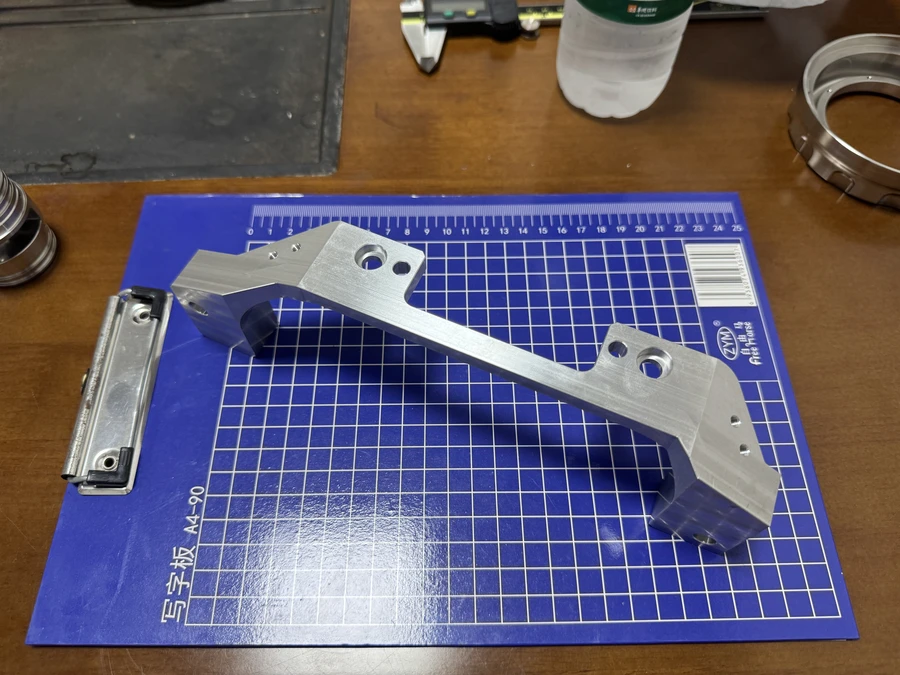
hero-part-collage-03.webp
600 × 600 px · WEBP
/images/case-studies/
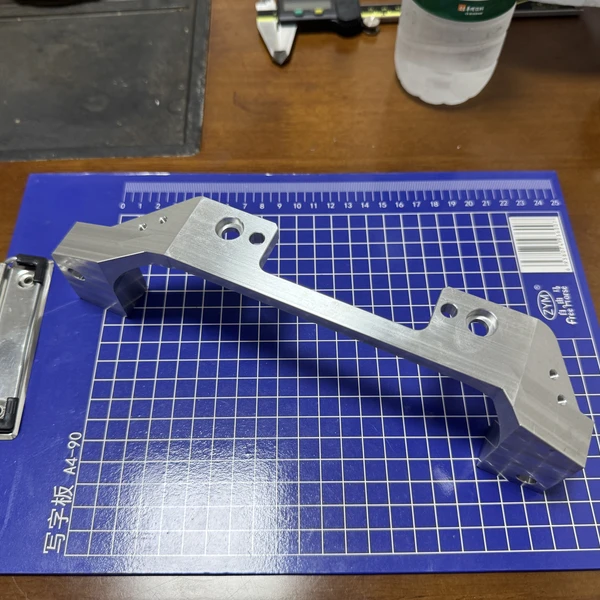
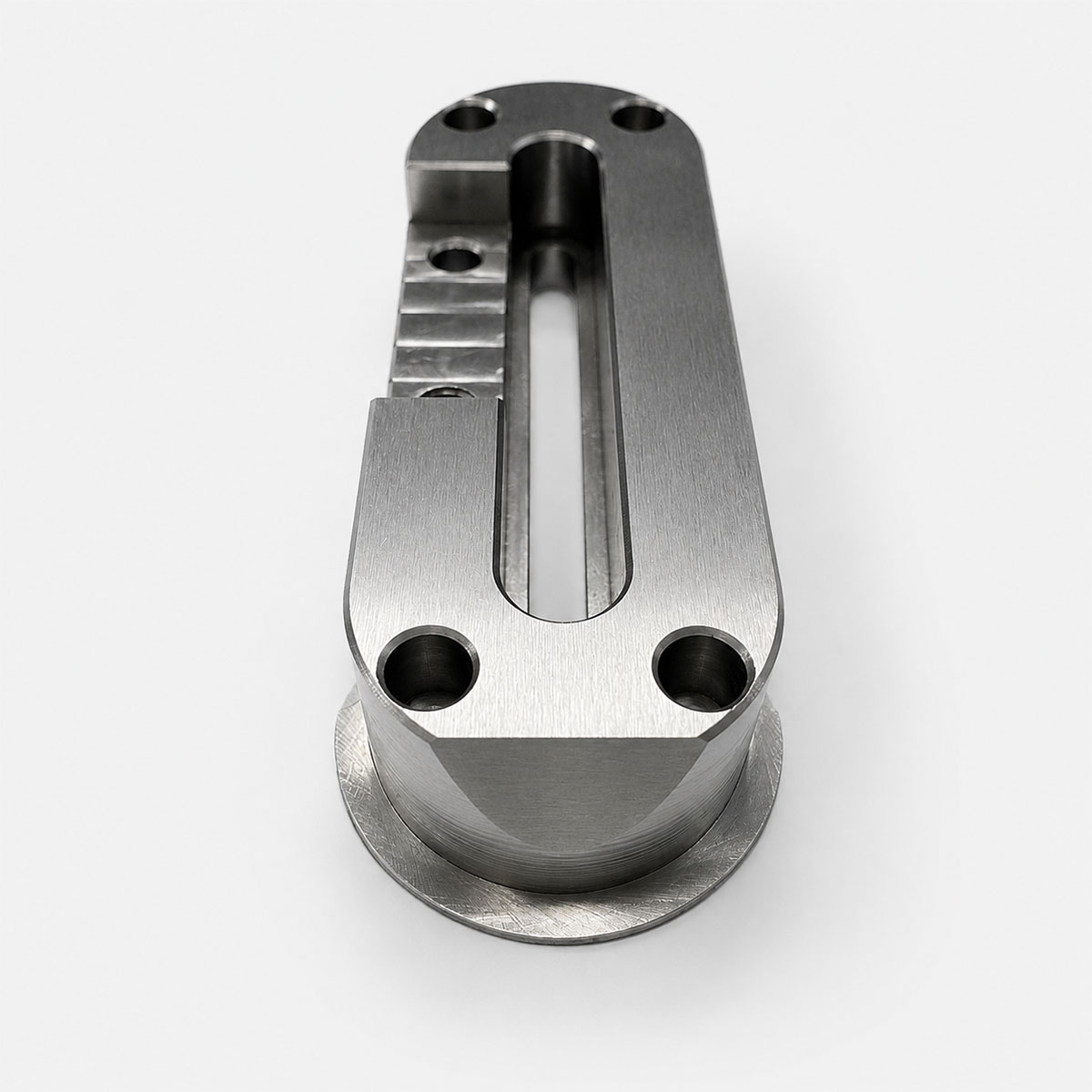
CNC milled bracket or fixture plate — case studies collection
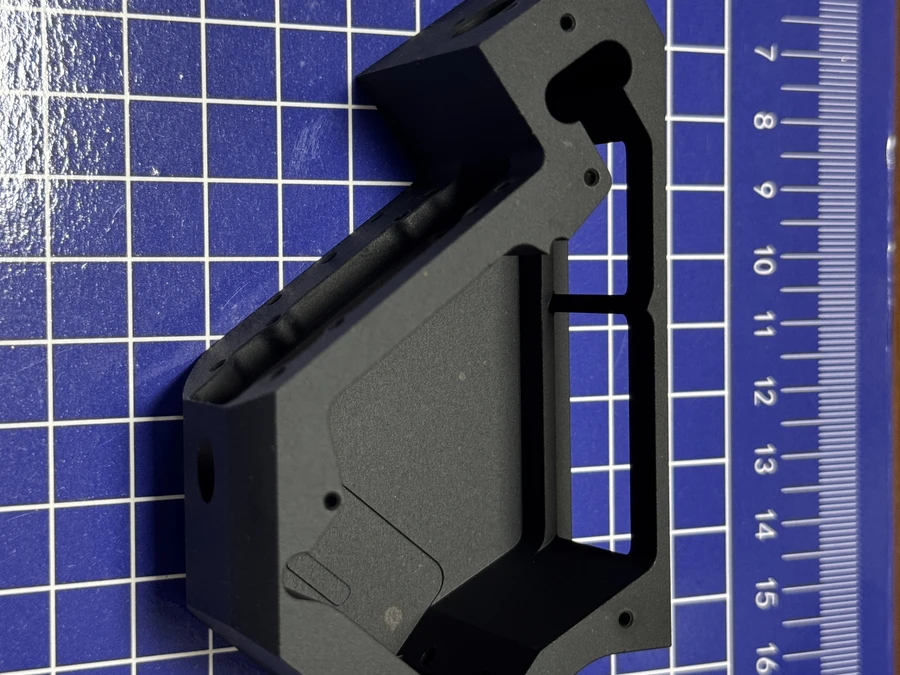
hero-part-collage-04.webp
600 × 600 px · WEBP
/images/case-studies/
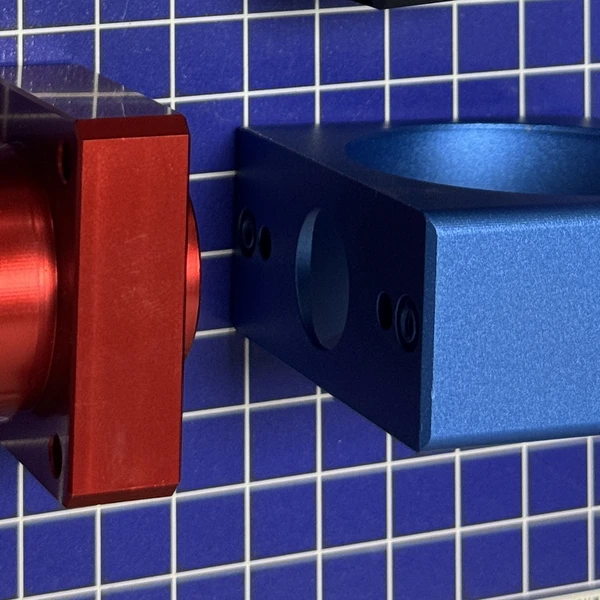
Stainless steel or anodized aluminum precision part
Customer Information

How we protect customer information

What we show

Part type & process

  • Part geometry category (bracket, shaft, housing…)
  • Material and grade
  • Machining process and fixturing approach
  • Tolerance risk and inspection method
  • Manufacturing challenge and lesson
What we hide

Customer identity & design

  • Customer name and company
  • Project drawings or CAD files
  • Product or end-use application
  • Quantities, pricing, or delivery details
  • Any specification not approved for publication
Why it matters

Engineering trust

  • Most buyers share drawings they can't afford to leak
  • We treat every RFQ as confidential by default
  • NDA available on request before drawing submission
  • Case notes only published with explicit customer approval
  • Application examples below are representative, not real cases
Part Family Notes

Application notes by part type

Six common part families we machine regularly. Each note covers typical material, process, and the primary risk to control. These are representative engineering considerations — not documented customer projects.

part-family-turned-shafts.webp · 900 × 675 px · /images/case-studies/
CNC turned shafts and bushings — part family application notes
Turned Shafts & Bushings
Materials 45 steel, stainless 304/316, aluminum 6061, brass
Process CNC turning, thread cutting, grooving, knurling
Key risk OD/ID fit tolerance, runout, thread class accuracy
part-family-milled-blocks.webp · 900 × 675 px · /images/case-studies/
CNC milled aluminum or steel blocks and plates
Milled Blocks & Plates
Materials Aluminum 6061/7075, stainless 304, C45, Q235
Process CNC milling (3-axis, 3+2), drilling and tapping
Key risk Flatness, pocket depth, threaded hole integrity in thin walls
part-family-housings.webp · 900 × 675 px · /images/case-studies/
CNC machined housing or cover — aluminum or stainless
Housings & Covers
Materials Aluminum 6061, stainless 304/316, POM, engineering plastics
Process CNC milling, multi-face setup, anodizing or bead blasting
Key risk Wall thickness consistency, bore alignment, finish adhesion
part-family-brackets.webp · 900 × 675 px · /images/case-studies/
CNC milled brackets and fixture plates with hole patterns
Brackets & Fixtures
Materials Aluminum 6061, stainless 304, C45 steel, POM
Process CNC milling, drilling and tapping, anodizing, black oxide
Key risk Hole position accuracy, flatness, assembly clearance
part-family-thin-wall.webp · 900 × 675 px · /images/case-studies/
Thin-wall aluminum CNC machined part with pocket features
Thin-Wall Aluminum Parts
Materials Aluminum 6061-T6, aluminum 7075-T6
Process CNC milling (adaptive toolpath), vacuum or soft-jaw fixturing
Key risk Chatter, wall deflection, tapped hole pull-out in thin sections
part-family-stainless.webp · 900 × 675 px · /images/case-studies/
Stainless steel precision CNC machined part — clean edges and surface finish
Stainless Steel Precision Parts
Materials Stainless 304, 316, 316L — passivation available on request
Process CNC turning and milling, slower feed rates, sharp tooling
Key risk Work hardening, burr on edges, surface finish consistency
Application Areas

Sectors we regularly supply parts for

These are application areas — not documented customer case studies. Part requirements vary significantly by design and drawing.

Robotics and automation CNC parts
Robotics & Automation
Fixture plates, shafts, sensor mounts, motor housings
Medical and scientific instrument CNC parts
Medical / Scientific Equipment
Instrument brackets, small stainless precision components
UAV and drone CNC parts
UAV / Drone
Aluminum structural parts, mounts, and brackets
Industrial equipment CNC machined parts
Industrial Equipment
Machine blocks, covers, support brackets, wear parts
Meili Case Note Format

How each case note is structured

Every documented project follows the same repeatable format — from drawing review through delivery. When a case is approved for publication, it is built to this structure.

01
Drawing Review
Tolerance check, DFM feedback, ambiguity flagged before quoting
02
Material & Blank
Grade confirmed, stock selected, traceability documented if required
03
Machining Route
Setup sequence, tooling, fixturing, feed/speed for material
04
Critical Features
Tightest dimensions, fits, position tolerances called out per drawing
05
Inspection
Caliper, height gauge, thread gauge — CMM external on request
06
Finish & Pack
Surface treatment, protective wrap, part identification label
07
Lesson Learned
What we adjusted, what the drawing needed, what we would do differently
workflow-drawing-review.webp · 1400 × 600 px · WEBP
/images/case-studies/ · Drawing review & DFM
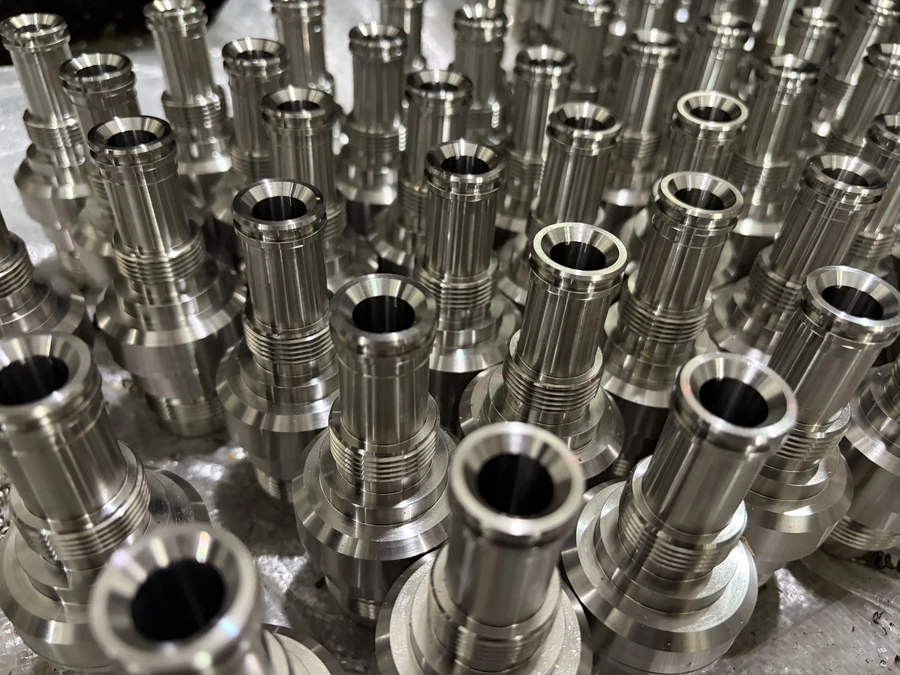
Engineer reviewing technical drawing during DFM stage
workflow-inspection.webp · 1400 × 600 px · WEBP
/images/case-studies/ · Inspection & dimension check
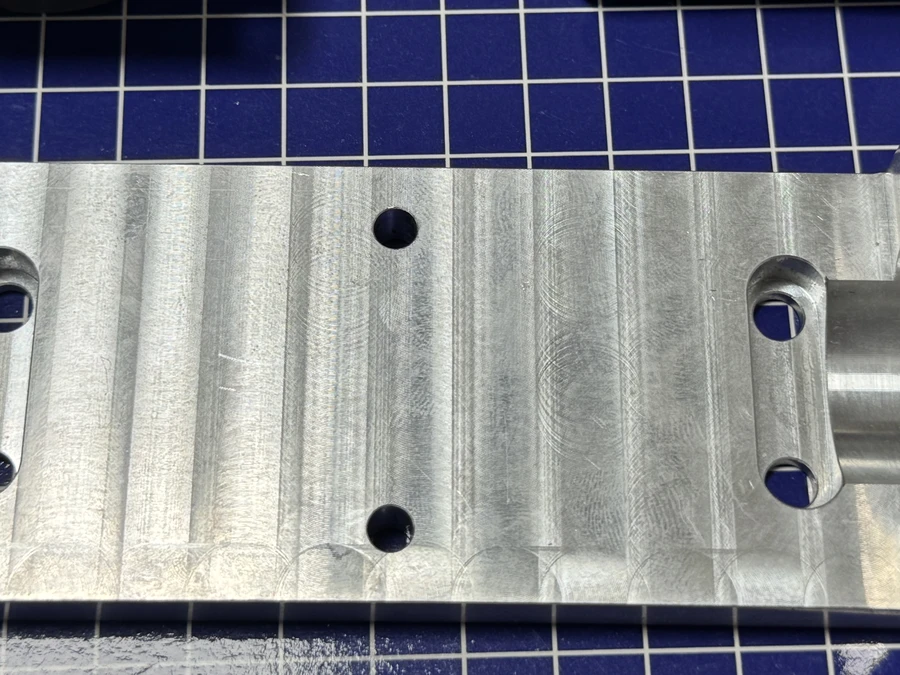
Inspector measuring CNC part with caliper or height gauge
Monthly Case Archive

Case notes added as projects are documented

The archive is built gradually from real production jobs. Each part goes through an internal review — drawing, material, process, inspection, and outcome — then the customer is asked whether an anonymized note can be published. Customer names and drawings never appear without explicit approval.

Customer confidentiality: Customer drawings, dimensions, identifiers, and company information are never published. Images show anonymized finished parts and internal process scenes only.

Case Note · 001
Published
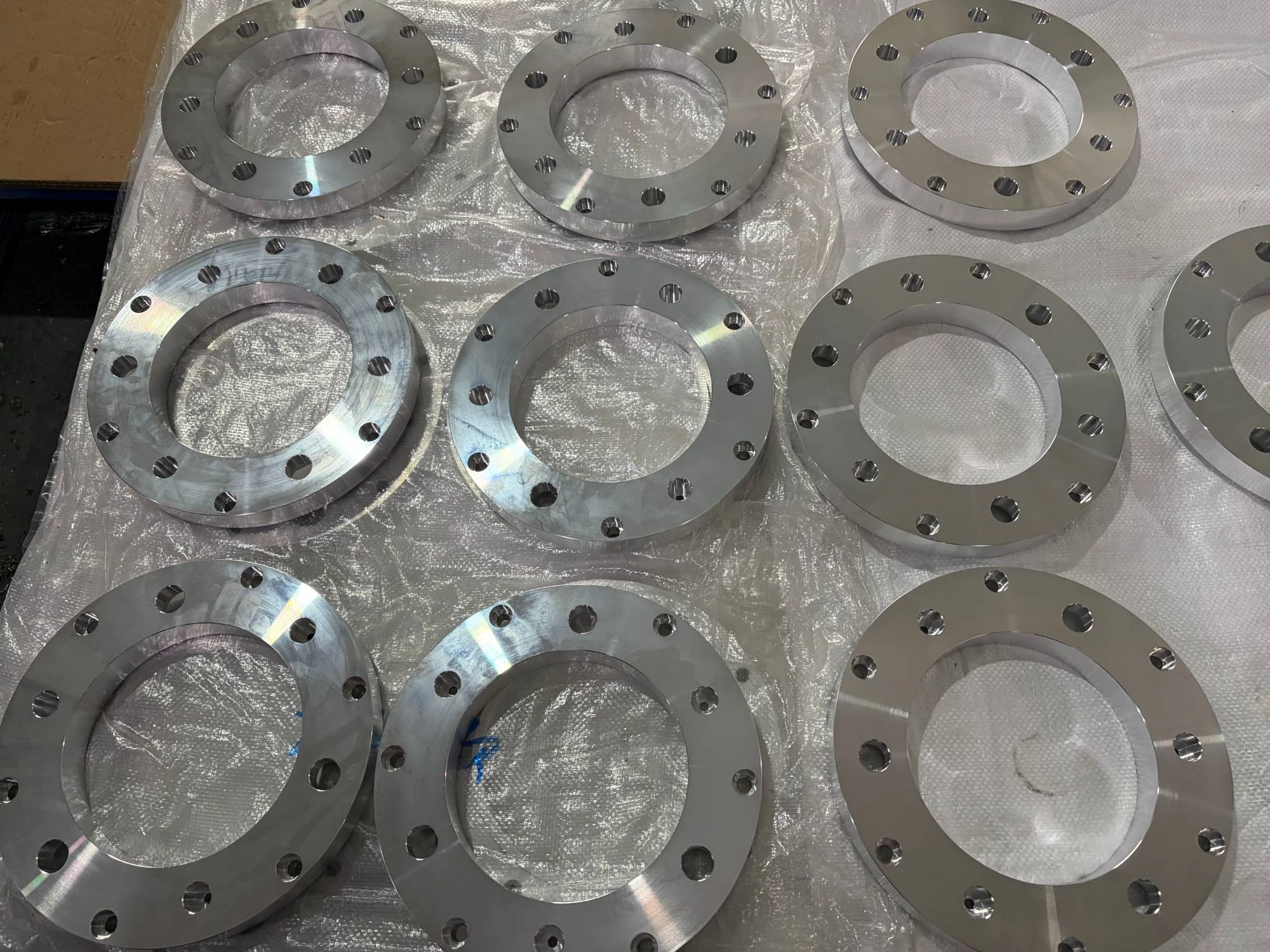
Small-batch flange rings with repeatable mating faces and hole patterns
Part typeMachined flange rings
MaterialAluminum 7075
ProcessCNC turning, followed by profile-fixture CNC machining to bring the bore to final size, closed out with a precision turning pass for geometric tolerances.
ChallengeMaintain flat mating faces and consistent bore-to-hole alignment across the batch
Case Note · 002
Pending
Under internal review — pending customer confidentiality check
Part typeNot yet published
MaterialNot yet published
ProcessNot yet published
ChallengeNot yet published
Case Note · 003
Pending
Under internal review — pending customer confidentiality check
Part typeNot yet published
MaterialNot yet published
ProcessNot yet published
ChallengeNot yet published

Each pending card will be replaced with a real anonymized note once internal review and customer approval are complete. The published format follows the 7-step structure in the section above.

RFQ Checklist

What to include when sending a drawing

Five items that allow us to review feasibility, confirm material availability, and return an accurate quote without follow-up delays.

Request a Quote
01
Drawing file (PDF + STEP)
The drawing is the final reference. STEP confirms geometry for complex or multi-face parts.
02
Material, grade & surface finish
Specify alloy and grade — not just "aluminum." Include finish type and any dimension-critical coating surfaces.
03
Quantity & batch plan
First order quantity plus whether repeat orders are expected. Affects setup cost and pricing.
04
Critical tolerance or fit
Identify which features are tolerance-critical. General tolerance standard (e.g. ISO 2768-m) for non-critical features.
05
Target delivery date
Standard lead time is 5–10 working days after drawing confirmation. Complex or secondary process parts may take longer.

Send a drawing — we will review manufacturability before quoting

Drawing file, material, quantity, and target delivery date is enough to start. We flag tolerance risks, finish interactions, and process questions before production begins.

Request a Quote View Materials Guide