Secondary processes

Managed secondary processes, ready to assemble

We coordinate heat treatment, EDM, surface finishing, and laser marking through managed partners in Dongguan — so you receive finished parts from one contact, not five separate vendors.

Heat treatment Quench & temper, anneal, carburize, nitride
EDM Wire and sinker for tight internal features
Surface finishing Anodizing, plating, passivation, black oxide
Marking Part numbers, QR codes, logos, batch ID
01 — Heat Treatment

Heat treatment to drawing specification

When parts require specific hardness, toughness, or surface wear resistance, we coordinate heat treatment to your exact specification through vetted partners. Each batch is verified with hardness testing before further processing or shipment.

  • Quenching & tempering — achieve target hardness HRC to drawing
  • Annealing — stress relief and dimensional stability before or after machining
  • Carburizing — hard case surface with a tough core for gears and drive shafts
  • Nitriding — surface wear resistance with minimal dimensional distortion
Heat treatment affects final dimensions. Machining allowances, post-treatment grinding sequences, and inspection requirements should be confirmed on the drawing before production starts.
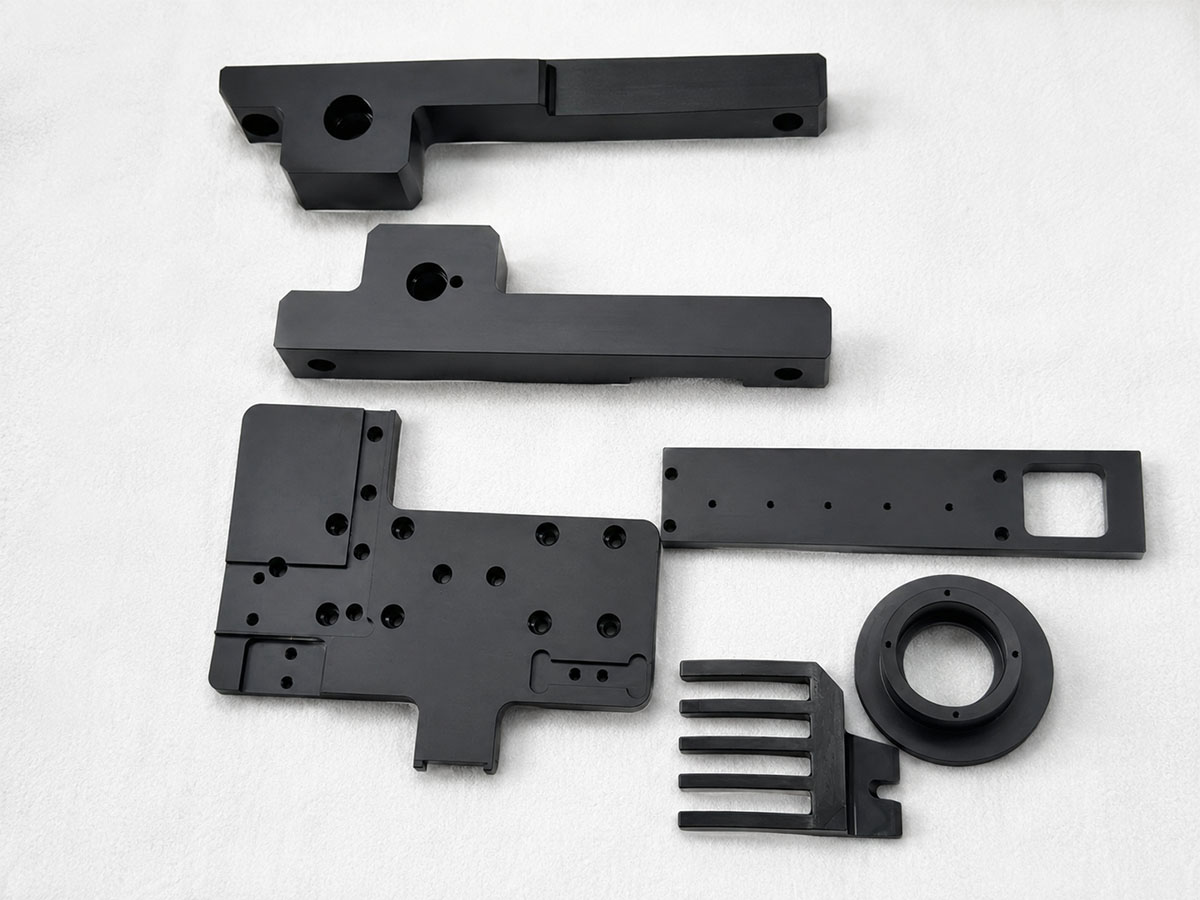
Heat treated steel parts Heat Treatment
02 — EDM

EDM for features conventional machining cannot reach

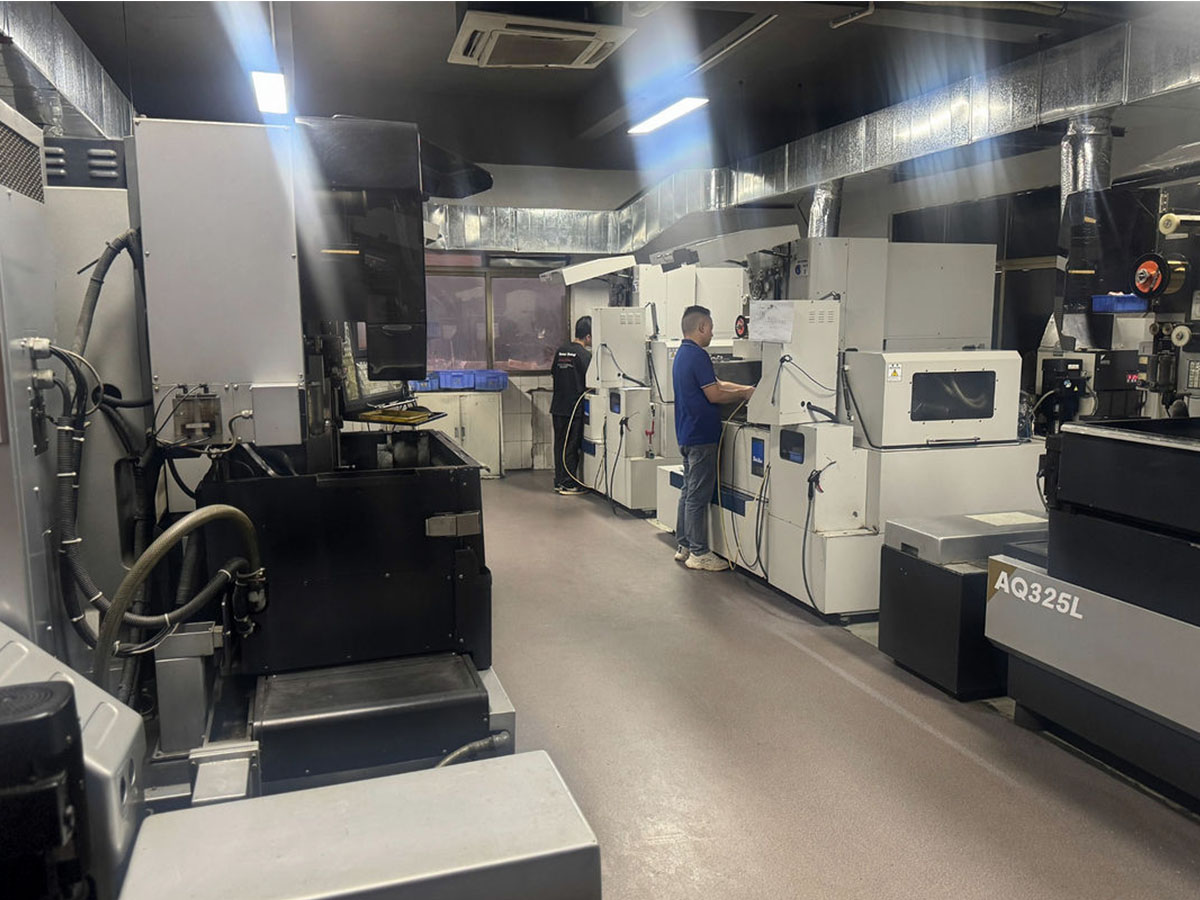
EDM is the right approach for sharp internal corners, narrow slots, hardened materials, and features that conventional milling cannot reach. Wire and sinker EDM extend what is geometrically possible after rough machining.

  • Wire EDM — complex 2D profiles and cut-outs in hardened steel
  • Sinker EDM — blind cavities, deep pockets, complex 3D die shapes
  • Ideal for mold components, press dies, and precision tooling inserts
  • Critical features to ±0.005 mm — tolerance confirmed on drawing before production
EDM feasibility depends on part geometry, material grade, required tolerance, and surface finish specification. Confirm all requirements on drawing before quoting.
EDM wire cutting workshop Wire EDM
03 — Surface Finishing

Surface treatments coordinated to specification

We coordinate the full range of surface treatments through managed finishing partners. Compatibility, feasibility, and dimensional impact are confirmed by material, geometry, tolerance, and cosmetic requirements before quoting — not all finishes are suitable for every material or part geometry.

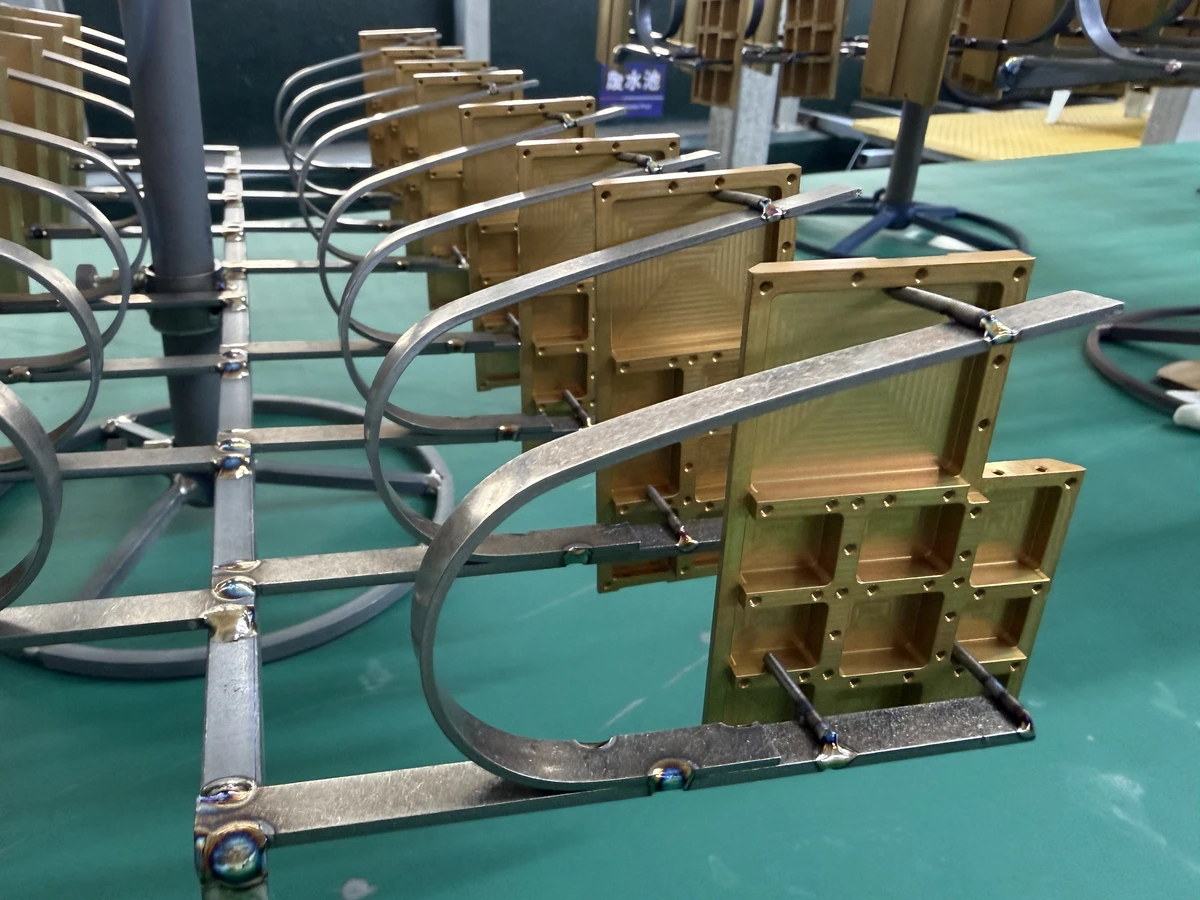
Brass machined parts arranged on a surface finishing rack Surface Finishing
Anodizing (Type II)
Aluminum alloys
Purpose: Corrosion protection and cosmetic finish. Available clear or in standard colors.
Dimensional note: Adds ~0.01–0.02 mm per side. Specify on drawing for tight-tolerance features.
Hard Anodizing (Type III)
Aluminum alloys
Purpose: Wear resistance and electrical insulation on structural aluminum parts.
Dimensional note: Layer 25–50 μm. Dimensional buildup is significant — pre-anodize machining allowance required.
Bead Blasting
Aluminum, stainless, steel, most metals
Purpose: Uniform matte cosmetic texture. Often applied before anodizing or as a standalone finish.
Dimensional note: No meaningful dimensional change. Not suitable for features with tight surface finish specification.
Passivation
Stainless steel (300 and 400 series)
Purpose: Restore and enhance native corrosion resistance. Removes free iron and surface contaminants.
Dimensional note: No dimensional change. Specify in drawing notes if required alongside other processes.
Black Oxide
Steel, carbon steel
Purpose: Mild corrosion protection with oil application. Dark cosmetic finish for tooling and structural parts.
Dimensional note: Very thin layer (~1–2 μm). No meaningful dimensional impact.
Nickel Plating
Steel, brass, copper
Purpose: Corrosion protection, surface hardness, and electrical conductivity. Uniform cosmetic appearance.
Dimensional note: Layer thickness varies. Confirm required thickness and tolerance impact on drawing.
Zinc Plating
Steel, carbon steel
Purpose: Sacrificial corrosion protection — zinc corrodes preferentially to protect the steel substrate.
Dimensional note: Typical layer 5–12 μm. Specify thickness class on drawing if tolerance-critical.
Polishing / Electropolish
Stainless steel, aluminum, brass
Purpose: Surface Ra improvement, cleanability, and medical-grade requirements. Electropolish common for 316 stainless.
Dimensional note: Removes material. Confirm if final dimension is tolerance-critical before specifying.
Finish selection is confirmed during drawing review — by base material, part geometry, dimensional tolerance, and cosmetic requirements. Not all finishes are available for all geometries. Specify finish, Ra value, color, and any masking requirements on the drawing.
04 — Laser Marking

Permanent marking for traceability and identification

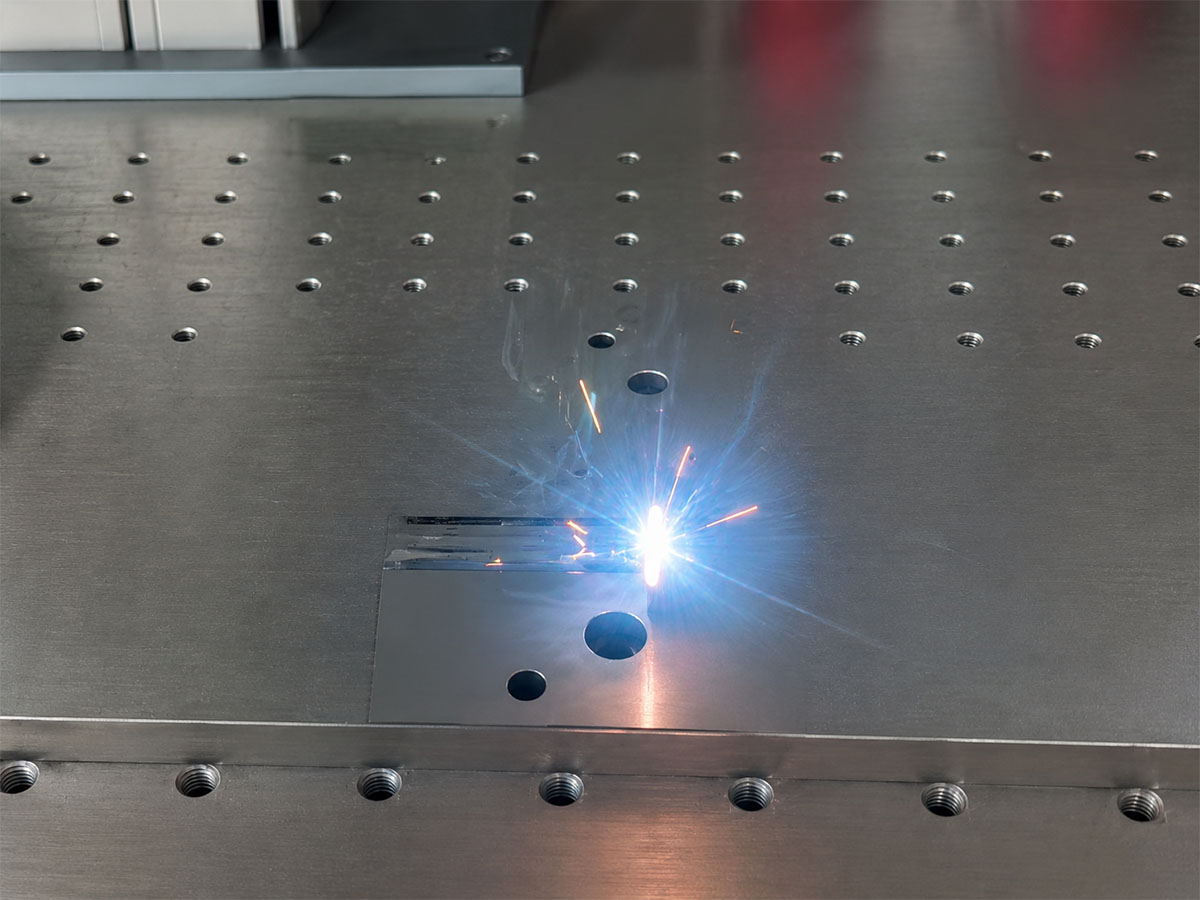
Laser marking is part of the surface itself — it won't peel, fade, or wear off under normal operating conditions. Suitable for metals, most engineering plastics, and coated surfaces after finishing.

  • Part numbers, revision letters, and serial numbers
  • Company logos and branding marks
  • QR codes, data matrix codes, and batch tracking IDs
  • Compatible with metals, most engineering plastics, and coated surfaces
Marking location, size, depth, contrast, and orientation should be specified on the drawing or confirmed separately in writing before production starts.
Laser marked precision part Laser Marking

One contact, not five vendors

Managing machining, heat treatment, plating, and marking in separate purchase orders means version gaps, unclear responsibility, and delays when something goes wrong. We coordinate it as one order.

Fewer supplier handoffs
You send one drawing. We plan and coordinate machining, secondary processes, and inspection as a single order — no gaps between steps, no unclear responsibility when a batch goes wrong.
Process planned before production
Secondary processes affect machining dimensions, sequence, and timing. We confirm heat treatment allowances, plating thickness, and post-process inspection requirements before cutting starts — not after.
Inspection before shipment
Parts are inspected after machining and again after secondary processing. If a batch is affected by a finishing step — distortion, plating variation, hardness out of spec — we catch it before it reaches you.

Need machined parts with finishing or secondary processing?

Send your drawing, material, finish requirement, and quantity. We'll review machining, secondary processing, inspection, and delivery feasibility before quoting.

Request a Quote Contact Us