No article matches yet. Ask us directly; we answer technical questions too.
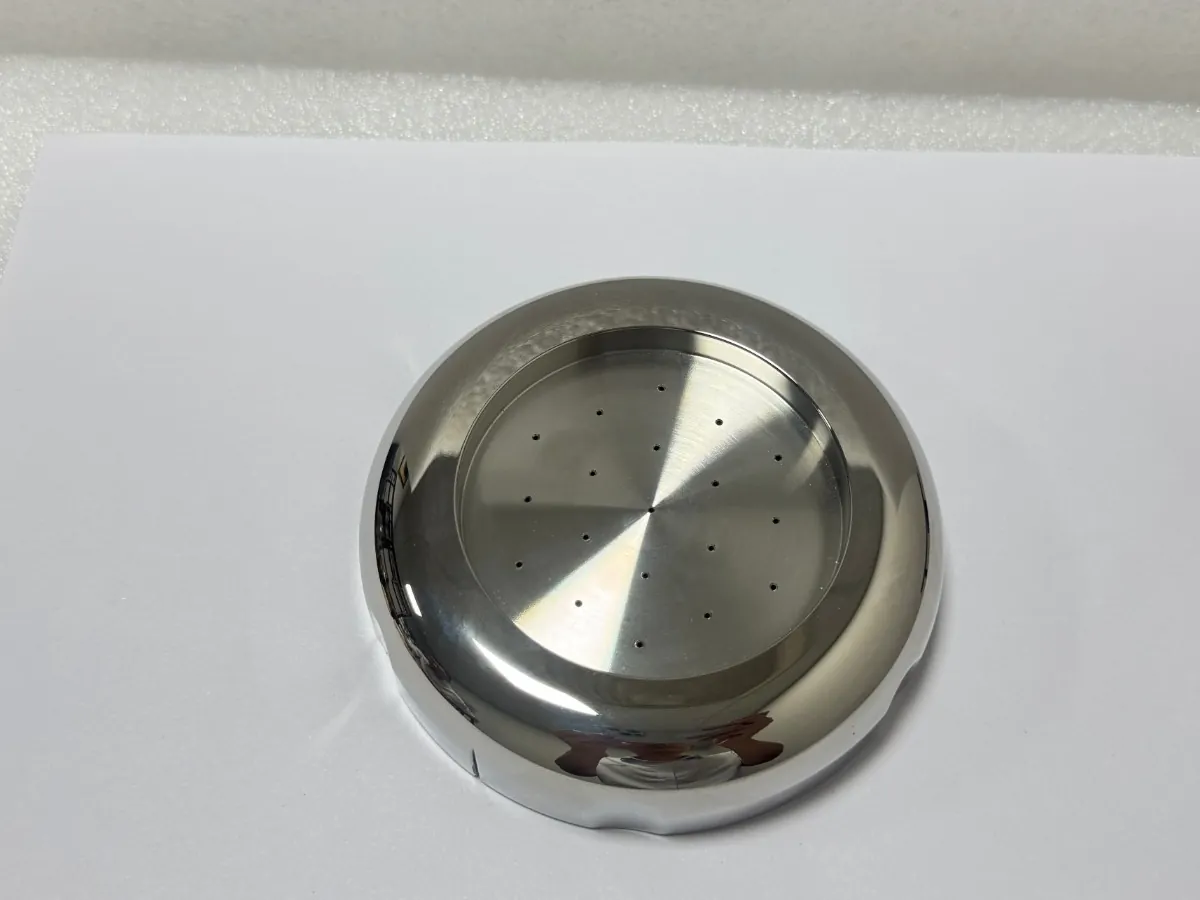
Surface finish chart for CNC machined parts: Ra values, symbols, and what each costs
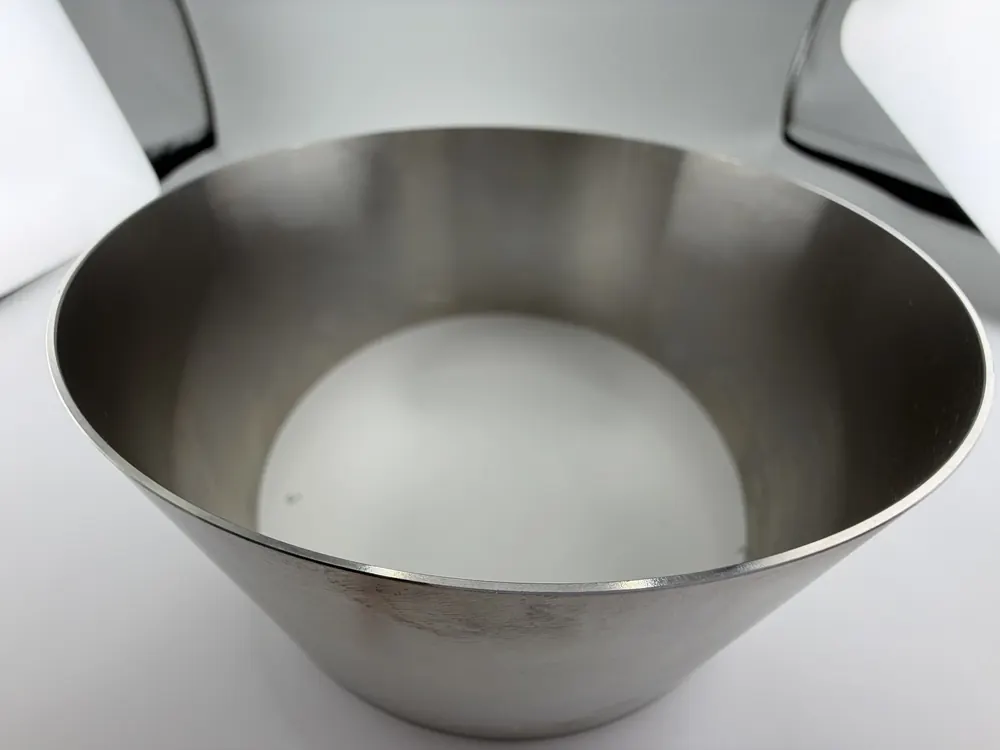
Ra in µm, µin and N grades, what milling, turning, grinding and polishing reach in our shop, how blasting and anodizing change Ra, and a stainless cover finished to Ra 0.1 on the lathe.
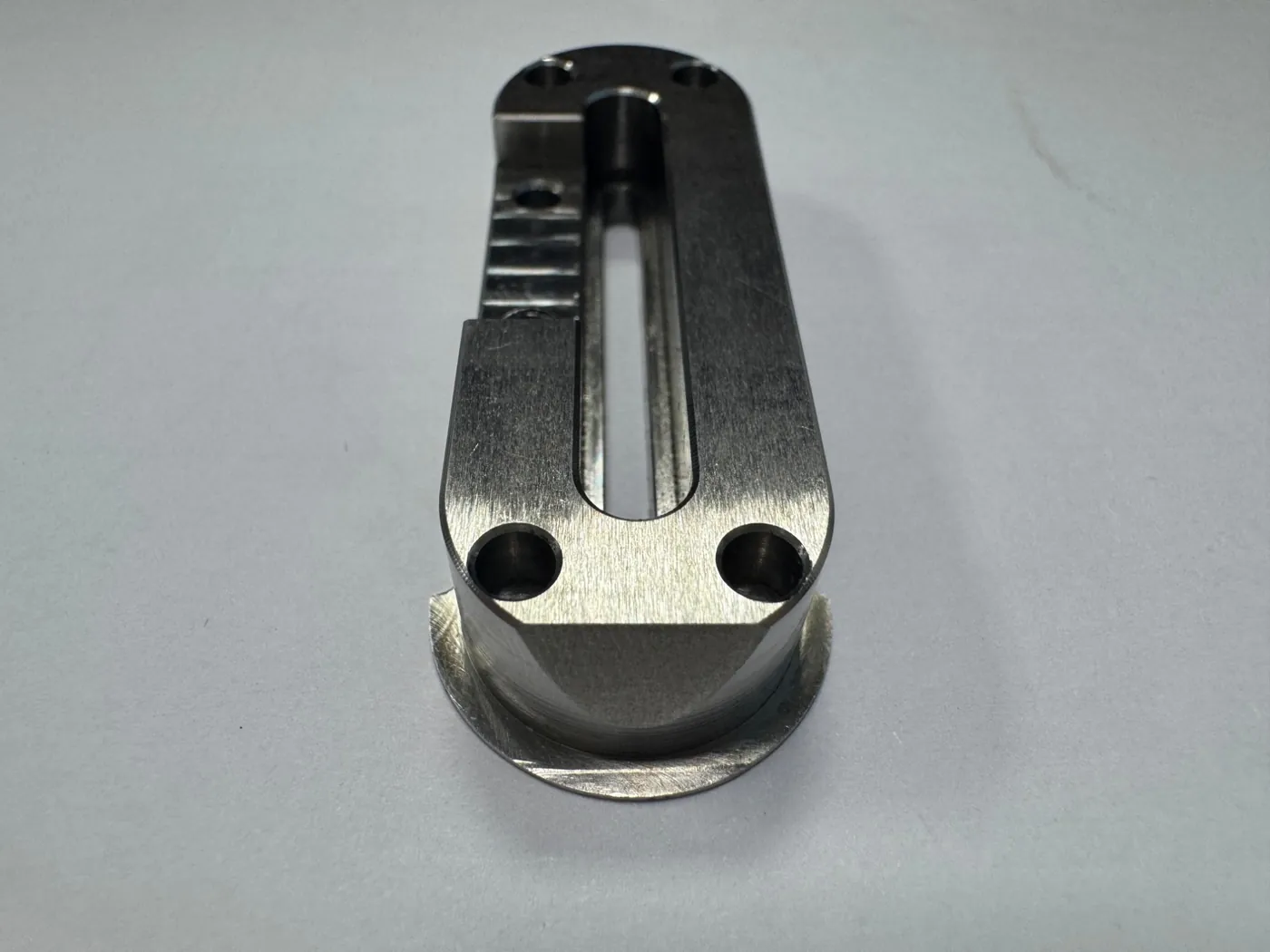
Chamfer vs fillet: what each costs in CNC machining, and the inside corners that really do
Chamfers and fillets on outside edges cost about the same. Inside corners are where the money goes: default edge breaks, sharp corners by EDM, and a customer who saved an EDM step with R0.3.
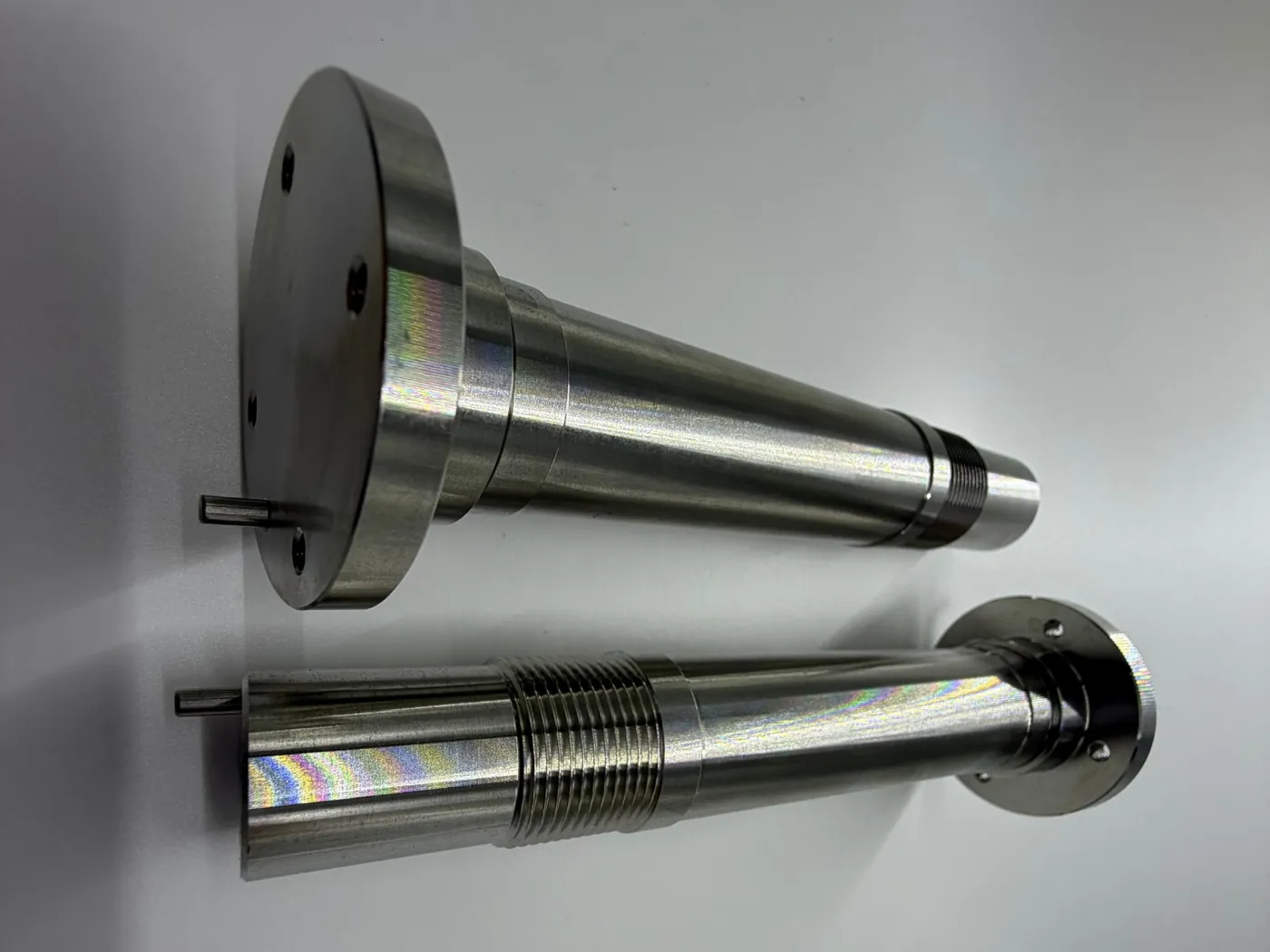
Press fit tolerance: interference, transition and slip fits, from a CNC shop
Interference, transition and slip fits with ISO 286 values, the Ø3 H7/h7 pin we nearly shipped loose, how much interference is enough, and how we machine and check H7 bores.
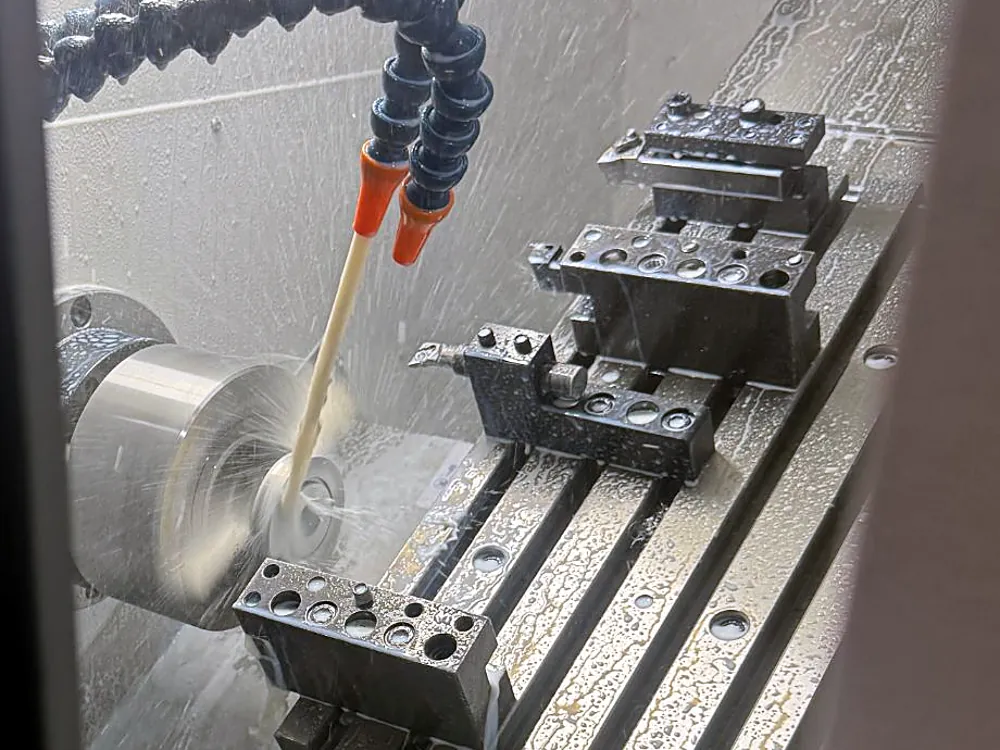
303 vs 304 stainless steel: which to choose for CNC machined parts
303 machines easier (10 vs 6–7 parts per insert edge in our test) and suits threads; 304 resists corrosion, welds, and passivates cleanly. When to use each, and how to make sure you get the grade you ordered.
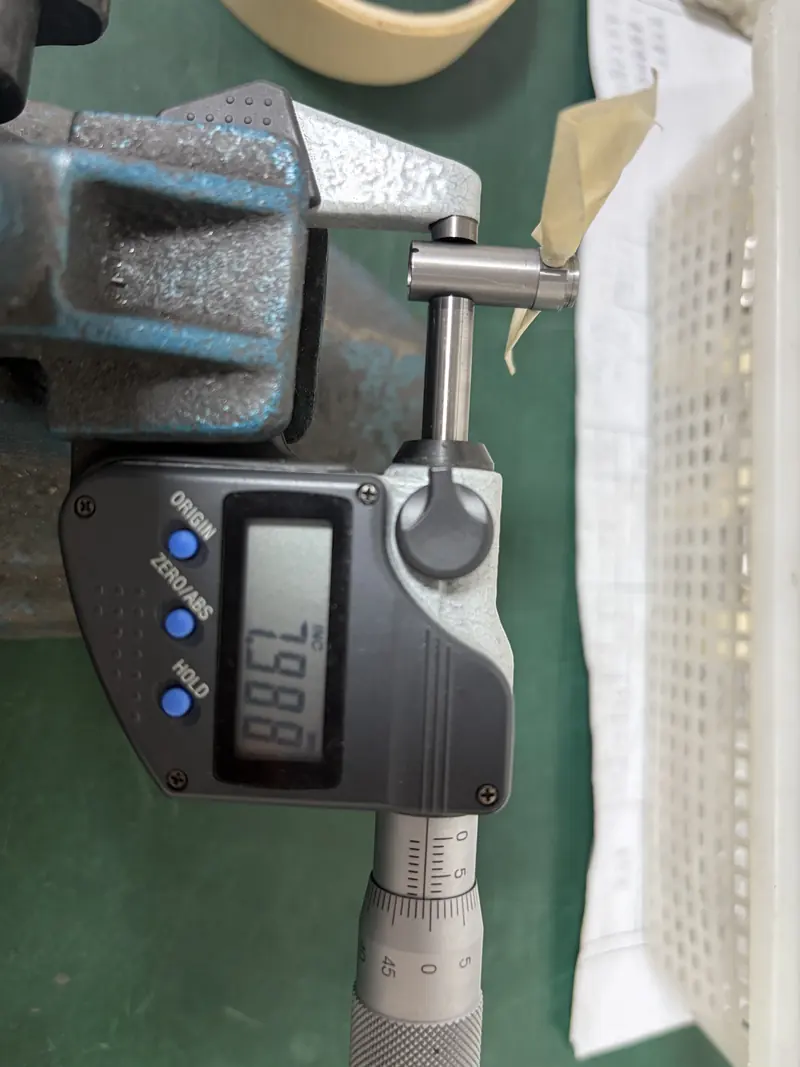
Tight tolerance CNC machining: what ±0.01 and ±0.005 mm really take
From ±0.05 to ±0.005 mm: what each level takes, roughly how many Dongguan shops hold it (half, 10%, 1%), why measurement is the real risk, and which tolerances cost money for nothing.
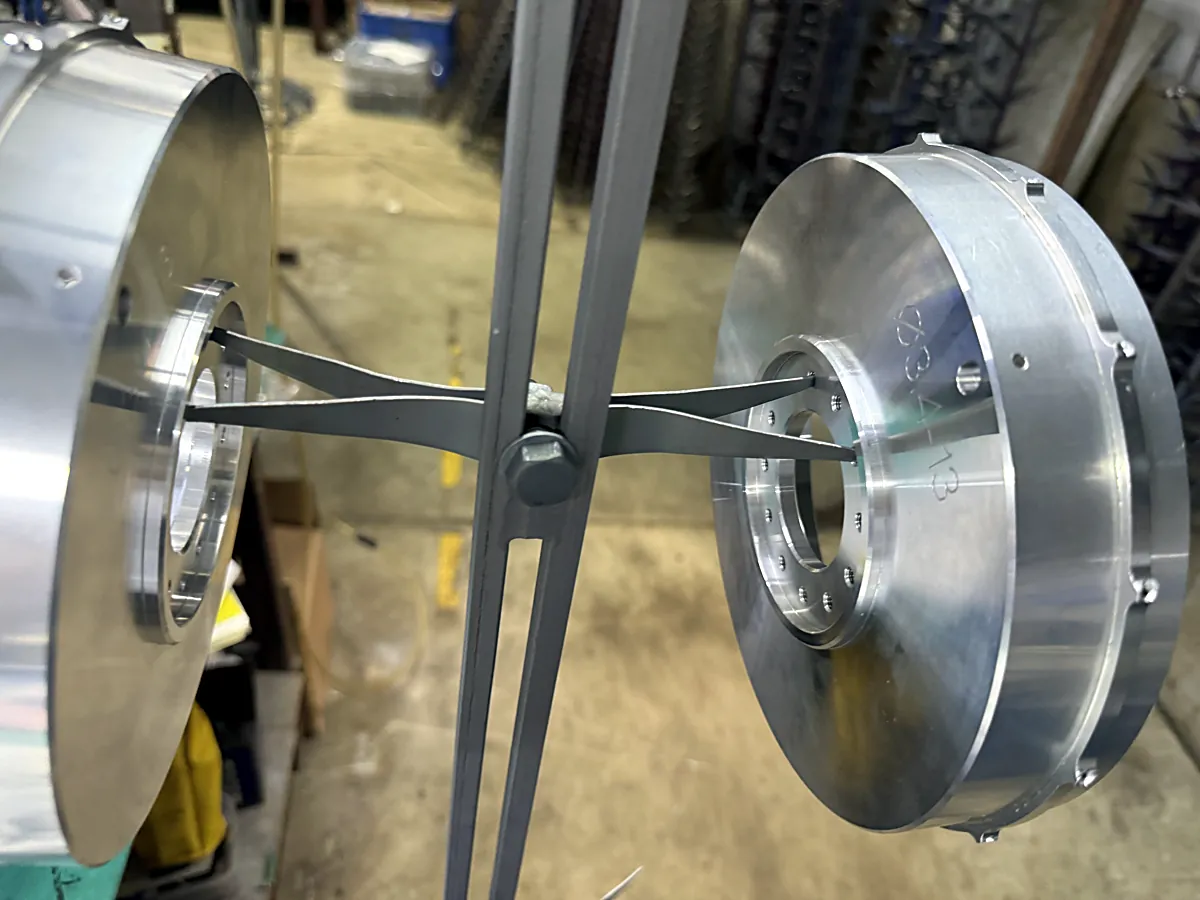
Anodizing thickness: how much a CNC part grows, and how we hold ±0.01 mm
Type II at 12–25 µm with only 3–5 µm of growth per side, hard anodizing at 30–50 µm, and how the alloy changes it. Allowance, threads, rack marks, color matching, and what to put on the drawing.
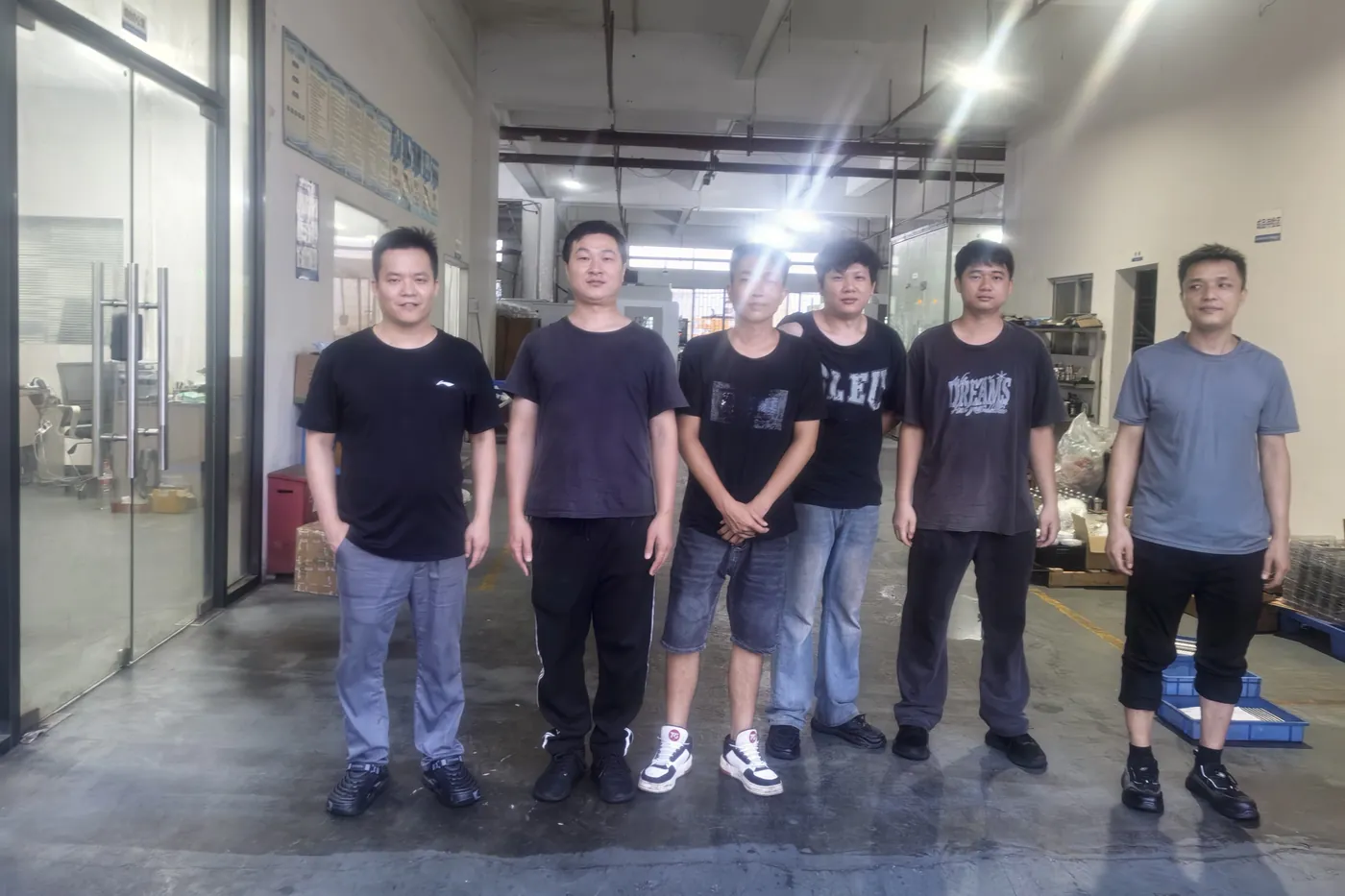
How to choose a CNC machining supplier in China: factory or trading company?
About 70% of our orders still come through trading companies. What a middle layer changes, the programmer question that tells you who can make one-off parts, and the red flags to watch.
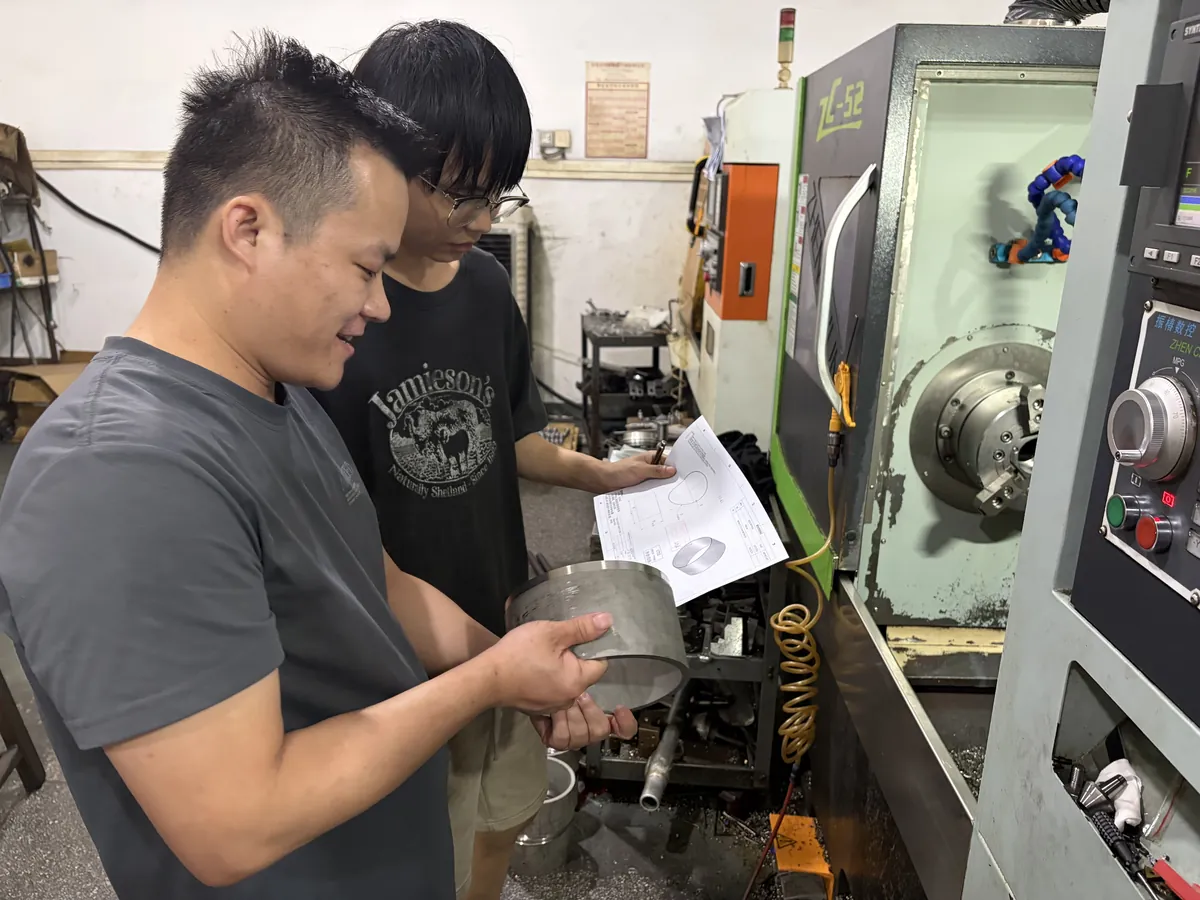
How much does CNC machining cost? Why 20 pieces cost far less than 1
Real numbers from our shop: what a skilled machinist costs in Dongguan, why programming dominates one-off parts, and a titanium job where 20 pieces cost half as much per piece as 2.