Resources · Materials

CNC Machining Materials

Common metals and engineering plastics we machine at Meili Machining — grades, machining characteristics, and finish compatibility for CNC prototypes, low-volume parts, and small-batch production.

Material families

Select a material family to jump to grade details, machining notes, and compatible finishes.

Aluminum

Aluminum alloys for CNC machining

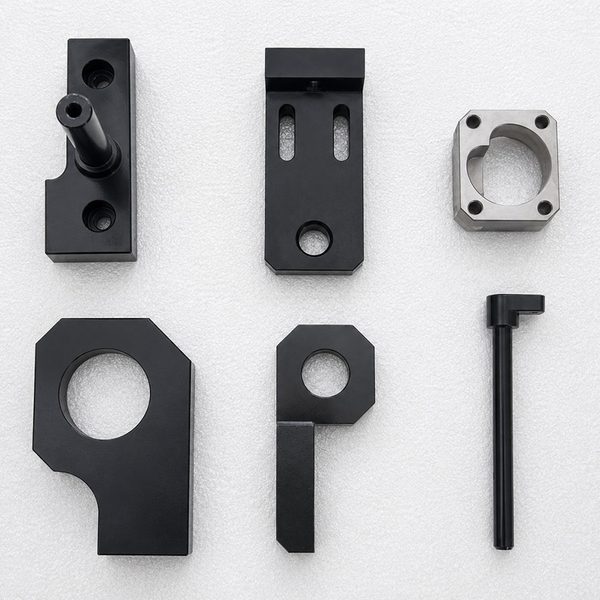
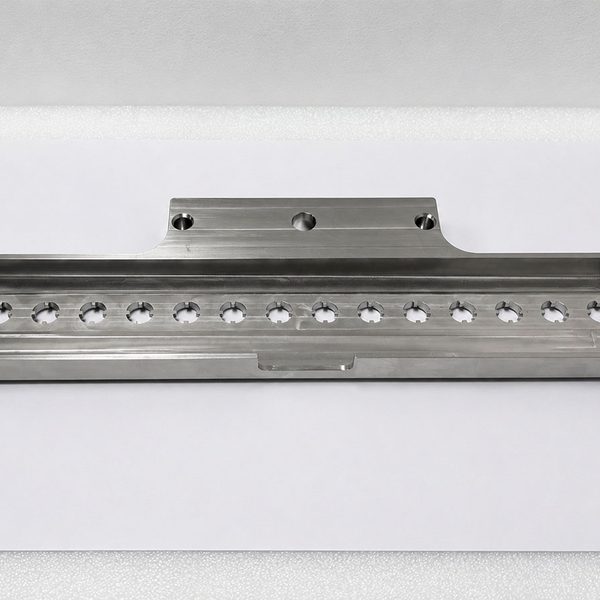
Aluminum is the most frequently machined material at Meili. Low density, good strength, and broad compatibility with anodizing make it suitable for brackets, housings, frames, jigs, and structural parts across prototype and production quantities. Material grade is confirmed before quoting — not all grades are in regular stock.

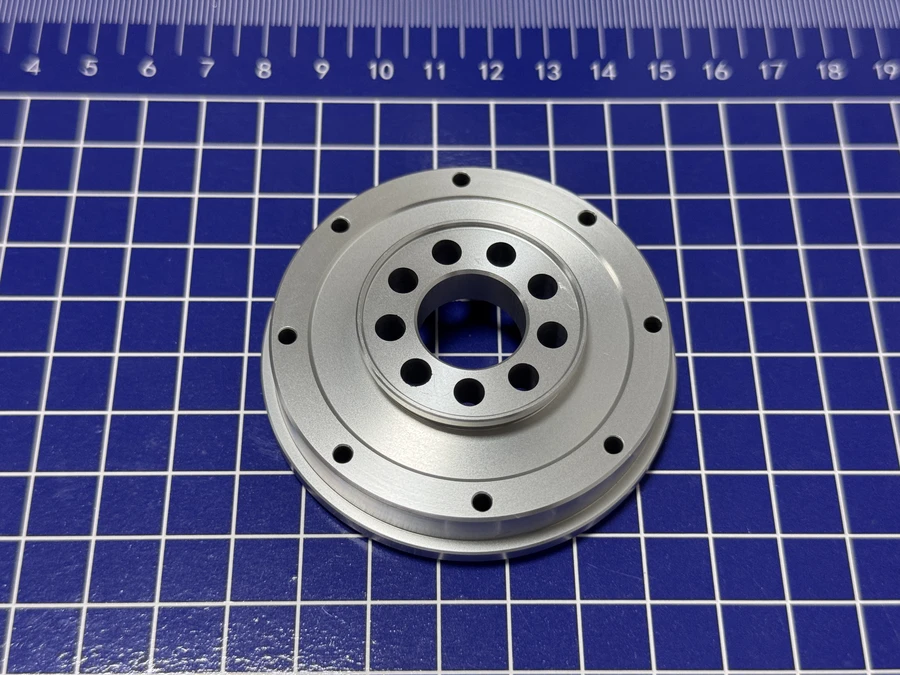
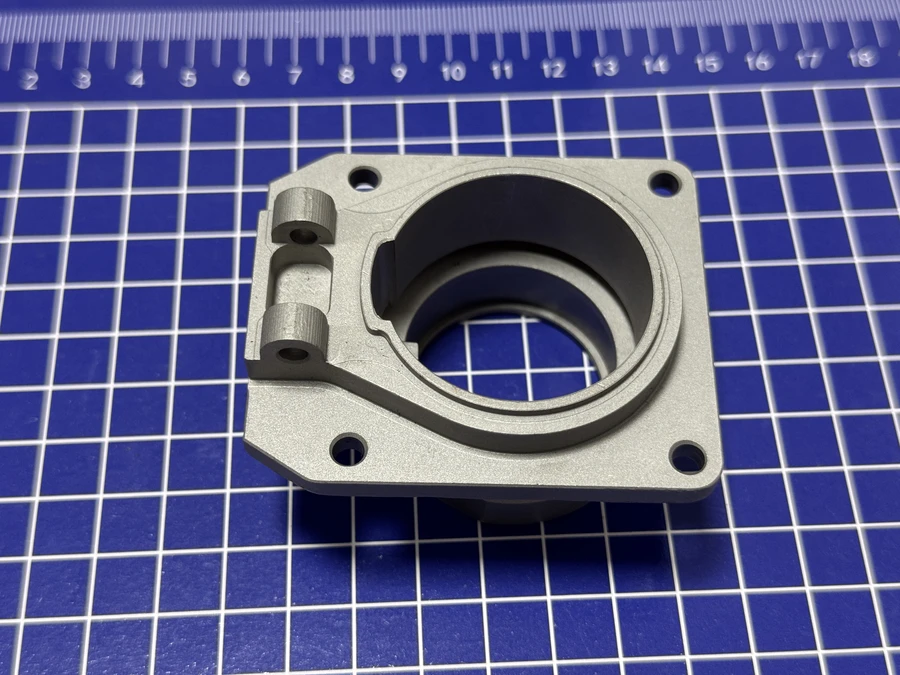
Aluminum alloy material samples for CNC machining
2xxx Series — High-fatigue structural 2024-T3
Typical useHigh-fatigue structural components, aerospace-adjacent frames, jigs requiring higher strength than 6061
MachiningManageable in T3 condition — harder than 6061, requires sharp tooling and correct feeds. Longer cycle times than 6xxx series.
FinishesAnodizing (Type II), chromate conversion coating, bead blast
5xxx Series — Sheet and forming 5052
Typical useEnclosure panels, sheet brackets, parts designed for bending and forming
MachiningAcceptable machinability from billet; better suited to forming and bending than to deep pocketing or tight-tolerance CNC work.
FinishesAnodizing, powder coat, paint
6xxx Series — General purpose 6061-T6
Typical useBrackets, housings, structural frames, jigs, and fixtures — the standard choice for most CNC aluminum parts
MachiningExcellent machinability — fast feeds, clean chip control, good surface finish achievable. Most common aluminum grade at Meili. Note: anodizing adds 0.01–0.025 mm per side; specify on drawing.
FinishesAnodizing Type II / III, hard anodizing, bead blast, clear lacquer, powder coat
7xxx Series — High strength 7075-T6
Typical useLoad-bearing structural parts, high-stress fixtures, jigs requiring maximum aluminum strength
MachiningGood machinability, somewhat harder than 6061 — correct feeds and sharp tooling required. Not recommended for welding.
FinishesAnodizing (Type II), bead blast; avoid Type III on complex geometry
Stainless Steel

Stainless steel grades for CNC machining

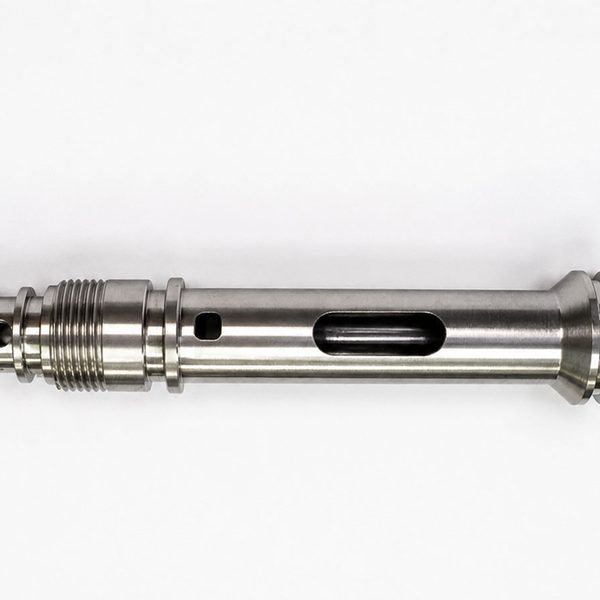
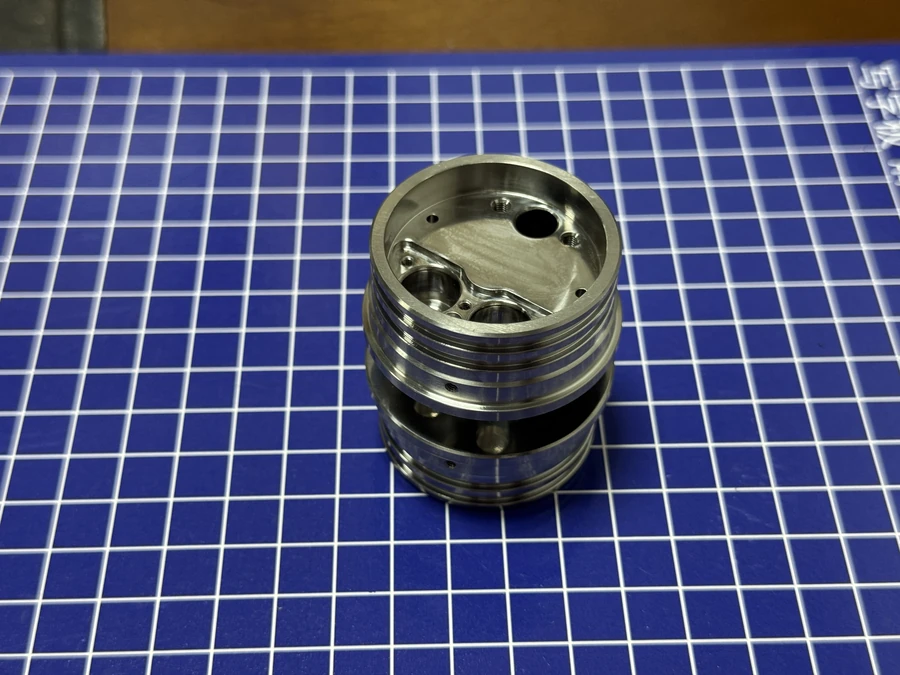
Stainless steels offer excellent corrosion resistance and are used in food, marine, medical, and general industrial applications. Machinability varies significantly by grade — all require careful tool selection, appropriate feeds, and coolant management. Grade confirmed before quoting.

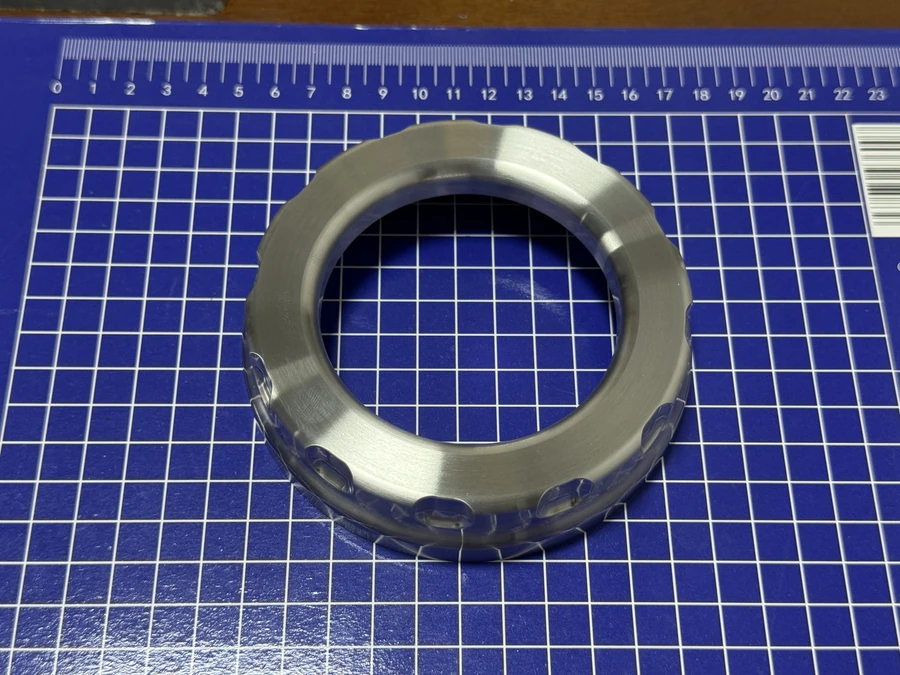
Stainless steel material for CNC machining
303
Typical useShafts, fasteners, connectors, turned components requiring good machinability
MachiningEasiest stainless to machine due to sulfur content — faster cycle times, cleaner chips. Not weldable; switch to 304 if welding is required.
FinishesPassivation, bead blast, light mechanical polishing
304 / 304L
Typical useEnclosures, food equipment housings, general industrial parts, flanges, and covers
MachiningWork-hardens quickly — sharp tooling, moderate feeds, and flood coolant required. 304L preferred for welded assemblies to minimize carbide precipitation.
FinishesPassivation, electropolish, bead blast, mechanical polishing
316 / 316L
Typical useMarine components, chemical processing parts, instrument housings, food-contact surfaces requiring chloride resistance
MachiningBetter chloride resistance than 304; slightly harder to machine. Slower feeds recommended; work-hardening is a risk if tool is not sharp.
FinishesPassivation, electropolish (common for medical), bead blast
440C
Typical useBearings, wear-resistant components, valve seats, blades, and tooling requiring high hardness after heat treatment
MachiningMachine only in annealed condition; heat treat after rough machining. Final grind after hardening. Confirm target hardness on drawing (typically HRC 58–62).
FinishesPassivation; heat treat to drawing specification before any coating
Carbon & Alloy Steel

Carbon and alloy steels for CNC machining

Carbon and alloy steels are widely used for gears, shafts, tooling, and structural components. Cost-effective and strong, but require surface protection against corrosion. Heat treatment requirements should be specified on the drawing before quoting, as they affect both process planning and lead time.

Carbon and alloy steel material for CNC machining
Q235
Typical useStructural frames, welded fixtures, base plates, and brackets — general structural steel work
MachiningEquivalent to A36 / S235. Good machinability; easy to weld. Always specify surface protection — rusts quickly without a coating.
FinishesZinc plating, powder coat, painting, black oxide with oil
45 Steel / C45
Typical useShafts, gears, axles, pins, couplings, and medium-load structural components
MachiningOne of the most common grades at Meili. Good machinability in normalized or annealed state. Specify heat treatment hardness on drawing — quench and temper as required after rough machining.
FinishesBlack oxide, zinc plating; heat treat per drawing before final finish
16CrMn5
Typical useGears, camshafts, case-hardened wear components, and drive parts
MachiningMachine before case hardening. Confirm case depth and surface hardness (typically HRC 58–62) on the drawing before machining starts.
FinishesCase hardening per drawing specification; no subsequent coating typically required
D2 / 1.2379
Typical usePunches, dies, blanking tools, wear-resistant tooling, and cutting inserts
MachiningMachine only in annealed condition. Heat treat after rough machining; grind after hardening to final dimension. Confirm target hardness on drawing.
FinishesAs-machined before heat treatment; grinding to final dimension after hardening
Brass material for CNC machining
Brass

Brass for fittings, connectors, and valve components

Brass is among the most easily machined metals — fast cycle times, clean surface finish, and excellent thread quality make it a first choice for fluid fittings, valve bodies, and electrical connectors. If your drawing specifies a particular alloy designation, confirm the grade before ordering.

Brass — CuZn alloy (general)
Typical useFluid fittings, valve components, threaded inserts, electrical connectors, and decorative hardware
MachiningExcellent machinability — one of the fastest materials to turn and mill. Produces a good surface finish without polishing in most cases. Confirm alloy designation if your drawing specifies a specific CuZn ratio or leaded grade.
FinishesAs-machined (natural), light polishing, nickel plating, chrome plating, lacquer
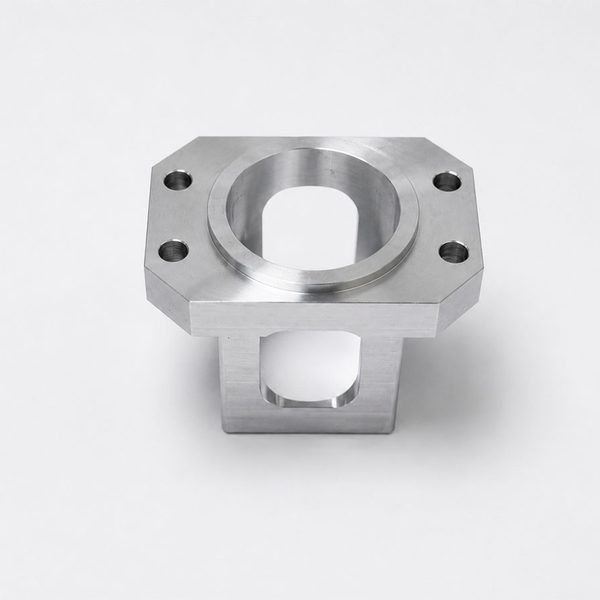
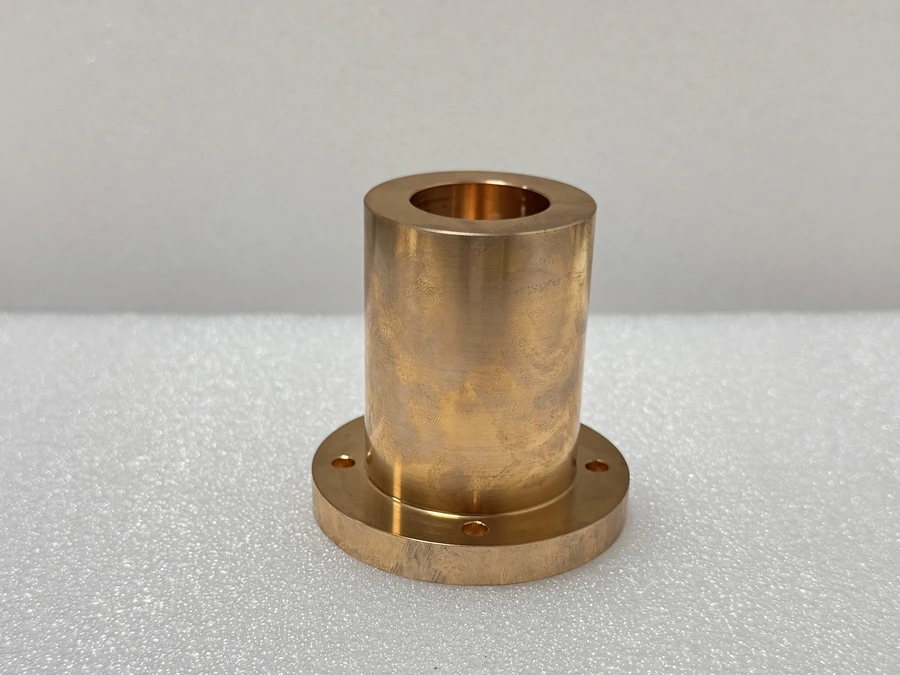
Copper material for CNC machining
Copper

Copper for electrical and thermal components

Copper offers the highest electrical and thermal conductivity of the metals we commonly machine. The material is soft and tends to smear at the cutting edge — sharp tooling, flood coolant, and conservative feeds are required to achieve clean surface finish and accurate dimensions.

C11000 / T2 — Electrolytic tough pitch copper
Typical useBus bars, heat sinks, electrical terminals, current-carrying brackets, and conductive structural parts
MachiningSoft and gummy — sharp tooling, flood coolant, and lower feeds than aluminum required. Surface finish planning is important; poor fixturing or dull tools produce smearing and poor dimensional control.
FinishesAs-machined, silver plating, nickel plating; no coating required for most electrical applications
Titanium

Titanium for demanding structural applications

Titanium offers an exceptional strength-to-weight ratio and outstanding corrosion resistance. Machining is significantly more demanding than aluminum or stainless steel — slower feeds, sharp tooling, good coolant management, and careful process planning are required. Availability and feasibility are confirmed before quoting.

Titanium material for CNC machining
Ti-6Al-4V — Grade 5
Typical useAerospace prototype frames, medical-adjacent structural parts, high-strength low-weight components requiring corrosion resistance
MachiningDifficult to machine — work-hardens quickly, generates significant heat at the cutting zone. Requires slow feeds, sharp tooling, and consistent flood coolant. Feasibility confirmed case by case before accepting the order.
FinishesAs-machined, bead blast, anodizing (titanium Grade 2 color anodizing); coatings per drawing specification
Availability note: Titanium orders are confirmed before quoting. Not all geometries or batch sizes are feasible at our current equipment level. Send your drawing for a machining feasibility review before requesting a quote.
Engineering Plastics

Engineering plastics for CNC machining

Engineering plastics are available for low-friction, insulating, and wear-resistant applications. Common grades are available on request — confirm your specific grade and quantity before ordering, as not all grades are regularly stocked. Tighter tolerances may require moisture-stable grades and proper fixturing.

Engineering plastics material for CNC machining
POM / Acetal (Delrin)
Typical useBushings, gears, slides, low-friction structural inserts, and self-lubricating components
MachiningGood machinability — clean cuts, low tool wear. Low moisture absorption keeps dimensions stable after machining. One of the most common plastics we machine.
Post-processTypically as-machined; no coating required for most applications
PEEK
Typical useHigh-performance structural inserts, sterilizable components, and parts requiring chemical and temperature resistance
MachiningGood machinability with carbide tooling; higher material cost. Confirm grade availability and lead time before ordering — not regularly stocked.
Post-processAs-machined; compatible with autoclave sterilization without additional coating
PTFE
Typical useSeals, non-stick liners, chemical-resistant bushings, valve seats, and electrical insulators
MachiningSoft and deformable — tight clamping causes dimensional distortion. Requires appropriate fixturing and conservative cutting parameters to hold tolerance.
Post-processAs-machined only; PTFE cannot be bonded, painted, or plated by conventional methods
Nylon / PA (PA6, PA66)
Typical useGears, bushings, housings, cable guides, and structural supports where weight reduction is a priority
MachiningGood machinability with sharp tooling and adequate clamping. Note: nylon absorbs moisture — dimensional stability in wet environments should be discussed before specifying tight tolerances.
Post-processAs-machined; occasional primer and paint for cosmetic parts
At a glance

Material comparison

General guidance only — actual machinability, cost, and finish options depend on specific grade, geometry, batch size, and drawing requirements. Confirm before quoting.

Material Common grades Machinability Corrosion resistance Strength Cost level Common use
Aluminum 6061, 7075, 2024 Excellent Good (anodized: Excellent) Medium–High Low Structural, housings, UAV frames, fixtures
Stainless Steel 303, 304, 316, 440C Moderate Excellent High Medium Food, marine, medical, general industrial
Carbon / Alloy Steel Q235, C45, D2 Good Poor (uncoated) High Low Gears, shafts, structural frames, tooling
Brass CuZn alloy Excellent Good Medium Medium Fittings, valve bodies, connectors
Copper C11000 / T2 Moderate Good Low Medium–High Electrical terminals, heat sinks, bus bars
Titanium Ti-6Al-4V (Gr 5) Difficult Excellent Very High High Aerospace prototypes, high-strength low-weight
Engineering Plastics POM, PEEK, PTFE, PA Good Excellent Low–Medium Low–Medium Bushings, insulators, seals, wear components
Selection guide

Not sure which material to choose?

These are practical starting points based on common engineering requirements. Final material selection should account for drawing tolerances, finish requirements, operating environment, and supplier availability — confirmed during drawing review before quoting.

Lightweight parts
Reduce weight without losing strength
Start with 6061-T6 aluminum for general use, or 7075-T6 for higher-load structural requirements. Both are easily anodized.
Corrosion resistance
Parts in wet, marine, or chemical environments
Use 316 stainless for chloride exposure, 304 for general wet environments, or anodized aluminum for lighter-weight parts.
Wear resistance
High-cycle or abrasion-prone applications
Consider 440C stainless or D2 tool steel after heat treatment. Hardness target must be specified on the drawing.
Electrical / thermal conductivity
Conductive terminals, heat sinks, bus bars
Use C11000 copper for maximum conductivity. Brass is a practical alternative where easier machinability and good conductivity are both needed.
Low-friction plastic parts
Bushings, seals, insulating inserts
POM for general low-friction use; PTFE for chemical resistance and sealing; PEEK for high-temperature or sterilization requirements.
Surface finishing

Finishing compatibility by material

Finishing options depend on the base material, part geometry, dimensional tolerance, and cosmetic requirements. The table below shows common finishing options and their typical material compatibility. All finishing requirements should be specified on the drawing — we confirm feasibility before quoting.

Anodizing (Type II)
Aluminum only
Standard decorative and corrosion protection anodize. Layer thickness ~10–20 μm. Adds ~0.01–0.02 mm per side — specify on drawing for tight-tolerance features.
Hard Anodizing (Type III)
Aluminum only
Dense hard coat for wear resistance and electrical insulation. Layer ~25–50 μm. Dimensional buildup is significant — critical dimensions require careful pre-anodize allowance.
Bead Blasting
Aluminum · Stainless · Steel
Creates a uniform matte texture. No meaningful dimensional change. Suitable for cosmetic surfaces that do not require tight tolerance or sealed anodizing.
Passivation
Stainless Steel
Chemical treatment that removes free iron from the surface and restores the passive oxide layer. No dimensional change. Standard for food, medical, and marine stainless parts.
Black Oxide
Carbon steel · Some alloys
Mild corrosion protection — primarily cosmetic. Not suitable for harsh or humid environments without a supplementary oil treatment. No dimensional change.
Nickel Plating
Aluminum · Steel · Brass · Copper
Electrodeposited nickel for corrosion resistance, hardness, and conductivity. Adds 5–25 μm per side — specify on drawing if tolerances are critical to avoid post-plating rework.
Zinc Plating
Carbon steel
Standard corrosion protection for steel structural parts. Yellow or clear chromate available. Specify plating thickness if dimensional tolerance is critical.
Polishing / Electropolish
Stainless · Brass · Copper
Mechanical or electrochemical finishing for smooth, cleanable surfaces. Electropolish is common for medical-grade stainless. Removes material — specify if final dimension is tolerance-critical.

Send your drawing and material requirement

We review machinability, compatible finishing options, and quote feasibility — including grade confirmation, heat treatment requirements, and any tolerance concerns before accepting the order.

Request a Quote