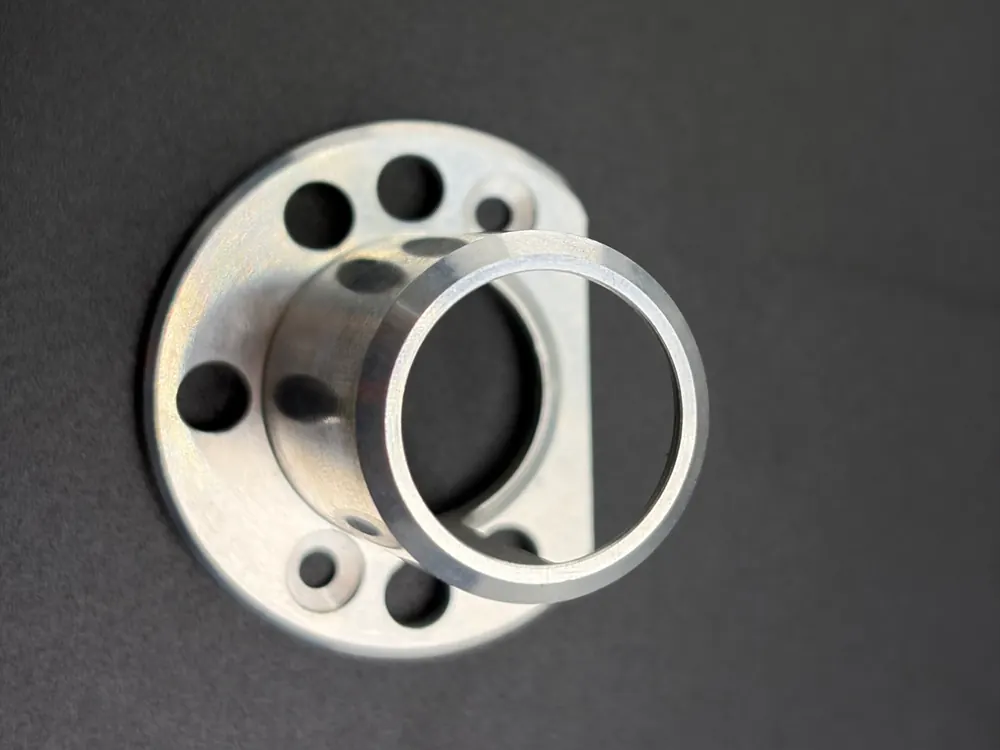
- Alloys: 6061 (about 40% of our aluminum work) and 7075 (about 30%), plus 5083, 6082, MIC-6 and others. Material certificates on request.
- Precision: 0.005 mm on same-face features; walls down to about 0.5 mm.
- Finishes: mostly anodizing and bead blasting; also hard anodizing, chromate conversion, brushing, polishing, and nickel plating.
- Lead time: simple parts about 3 days, with anodizing from 4 days, complex parts about 15 days including anodizing.
What is aluminum CNC machining?
Aluminum CNC machining means cutting aluminum bar or plate into finished parts on computer-controlled mills and lathes. Aluminum cuts fast and anodizes well, which makes it the default metal for automation brackets, housings, and plates. The hard parts are keeping thin walls and large plates from distorting, protecting a soft surface from scratches, and allowing for the anodizing.
Aluminum alloys we machine
| Alloy | Share of our aluminum work | Known for | Sourcing time |
|---|---|---|---|
| 6061 | ≈40% | General purpose, machines and anodizes well | In stock, or 1 day |
| 7075 | ≈30% | Harder and stronger than 6061 | In stock, or 1 day |
| 6082 | ≈30% together, with other grades | Structural alloy, common in Europe | About 3 days |
| 5083 | Good corrosion resistance, not heat treatable | About 3 days | |
| MIC-6 | Cast tooling plate, stable and flat | About 3 days |
Shares and sourcing times are from our shop. "Known for" is general material knowledge. Awkward sizes of 6061 and 7075 take up to 2 days.
Which alloy should you choose?
Start from the environment the part works in. If that allows either, we usually suggest 6061 or 7075: they are the easiest for us to buy, so lead time and cost stay low, and for many automation parts the difference in use is small. 7075 is the harder of the two. We stock both, mostly as bar from about Ø2 to Ø30 mm; plate comes in many sizes.
Need a specific grade or a certificate? We buy to the grade on your drawing and supply a material certificate when you ask for one.
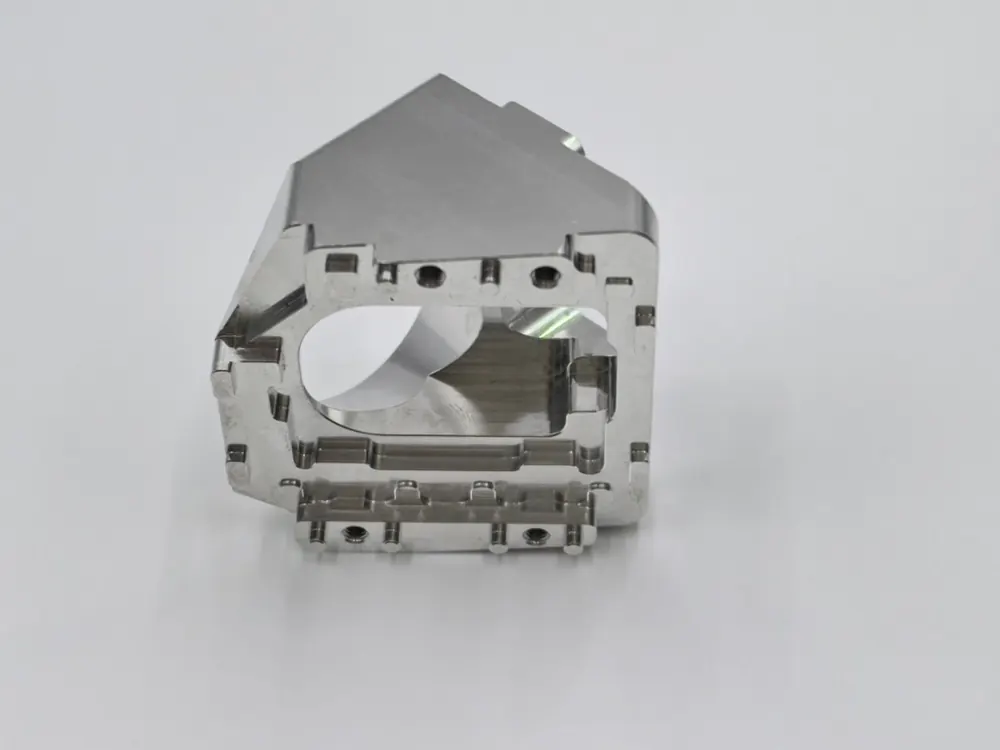
5083
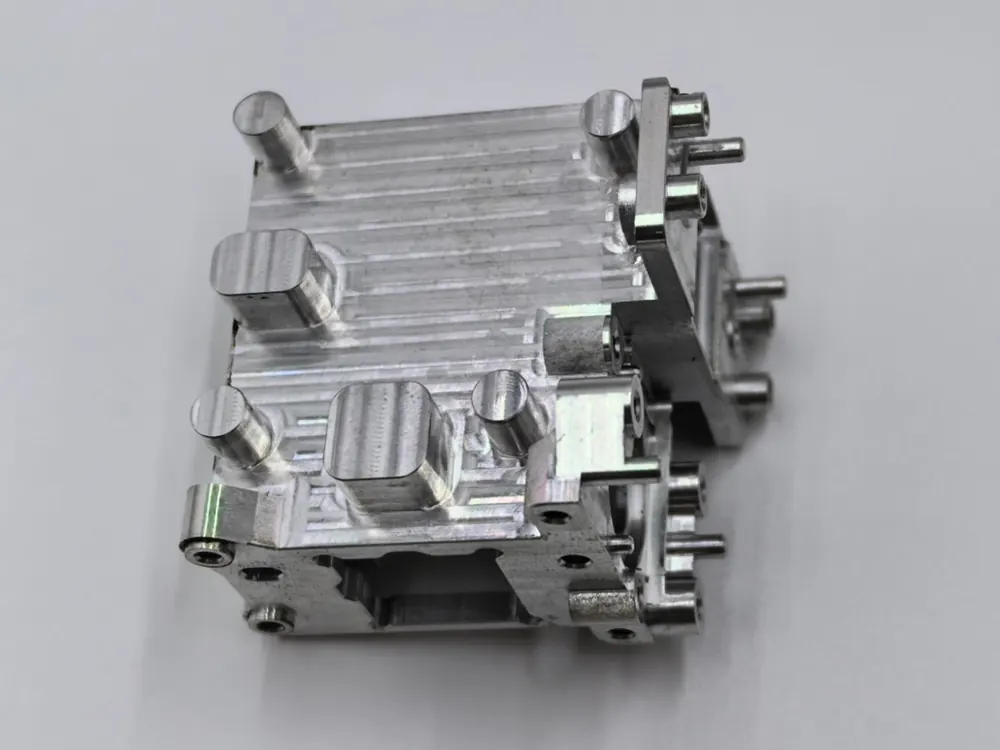
6061
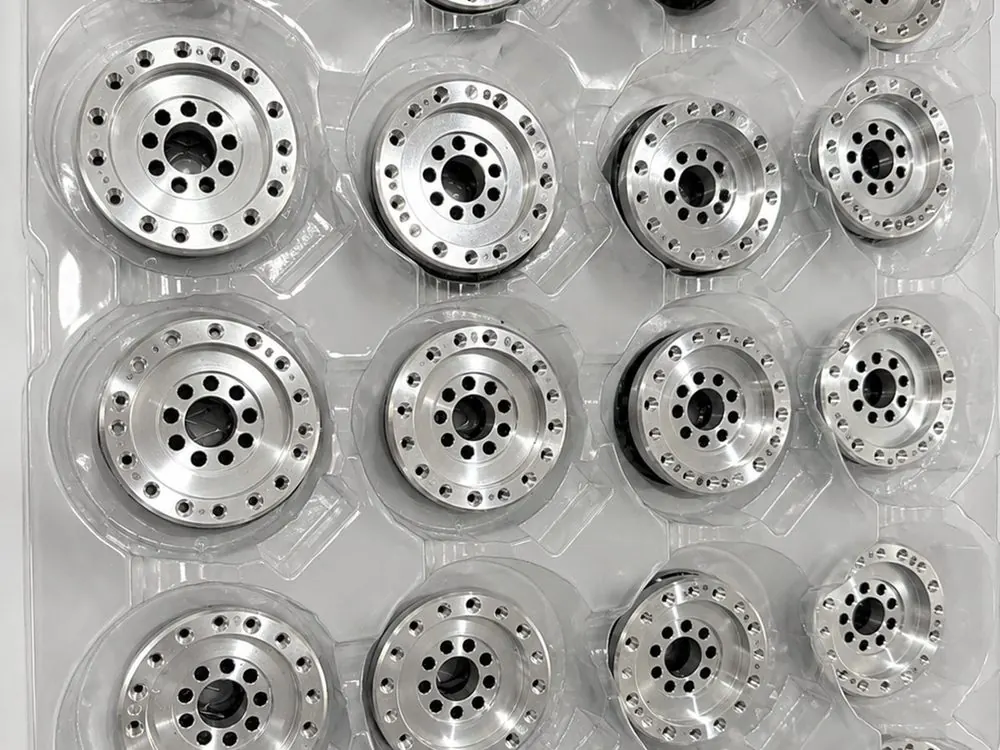
6061 · batch
Precision on aluminum: thin walls, flat plates, tight sizes
- Tight sizes. Features on the same face can be held to 0.005 mm. Aluminum grows about 23 µm per meter for every °C, so in summer the shop runs on central air conditioning, and tight features are measured after the part settles. See what tight tolerances really take.
- Thin walls. We typically machine walls down to about 0.5 mm. Distortion is controlled by the fixture, how and where the part is clamped, stress relief, and the choice of tools and feeds.
- Large flat plates. Flatness on a big plate, for example 0.02 mm over 500 mm, comes from special workholding and finishing with a small tool at the right feed. It cannot be rushed.
- Size. Milling up to about 1000 × 400 × 200 mm, turning up to about Ø400 × 900 mm.
Aluminum parts other shops struggled with
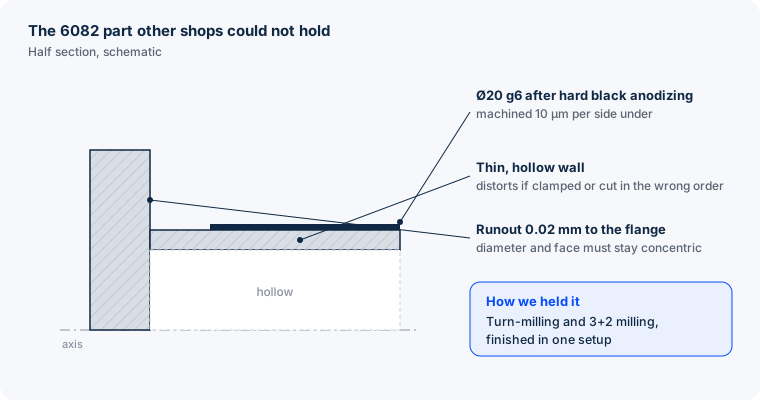
A thin sleeve held to 20 g6 through hard anodizing
A customer had several similar 6082 parts and had tried many shops. None could hold the outside diameter steadily: the sleeve is hollow, so it distorts, and the Ø20 g6 size kept drifting. The diameter also had to be machined 10 µm per side under to allow for hard black anodizing, while holding 0.02 mm runout.
We machined it with turn-milling and 3+2 milling in a planned sequence and finished it in one setup. The parts met the drawing consistently. We have made many parts like this; most shops step into a few traps first.
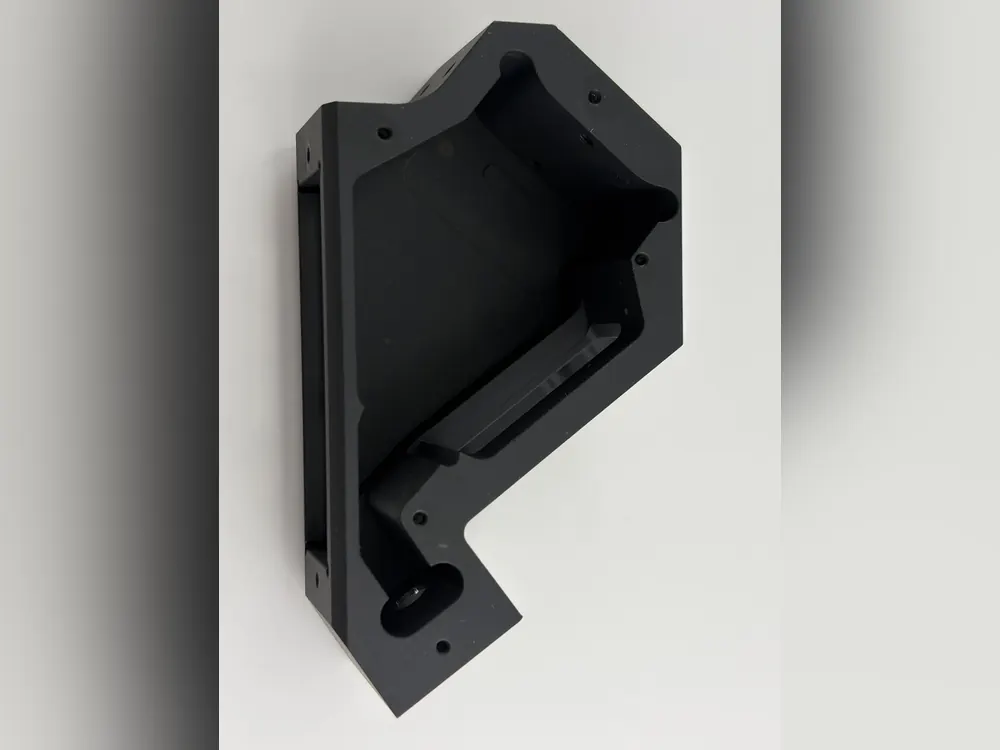
6061 · black anodize · 3 pcs
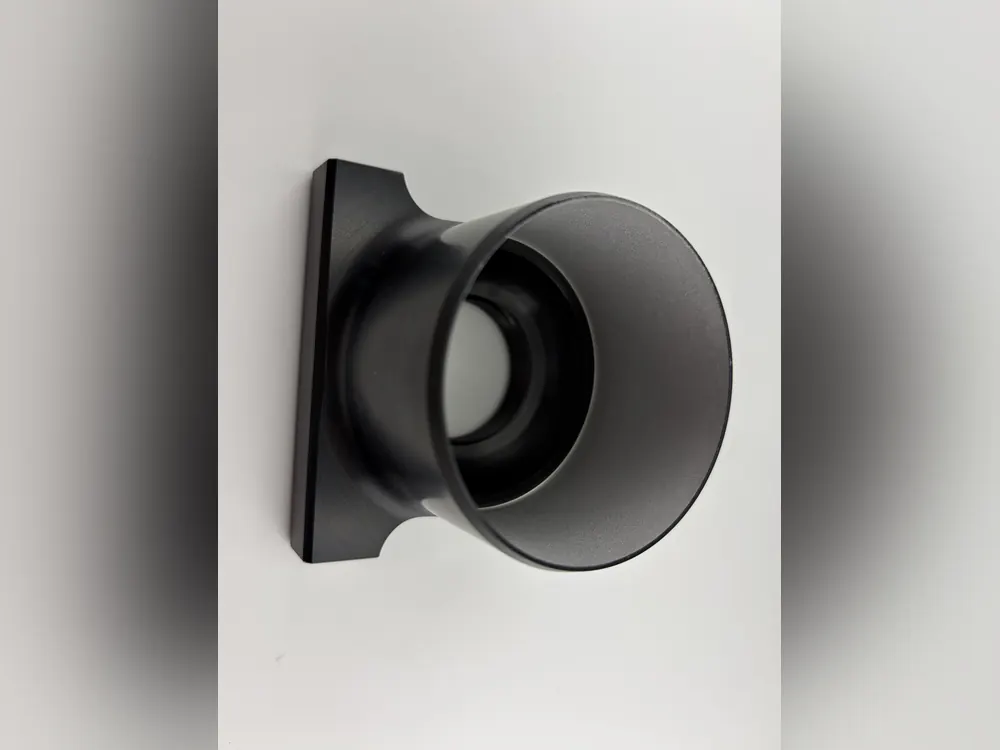
6061 · black anodize · 2 pcs
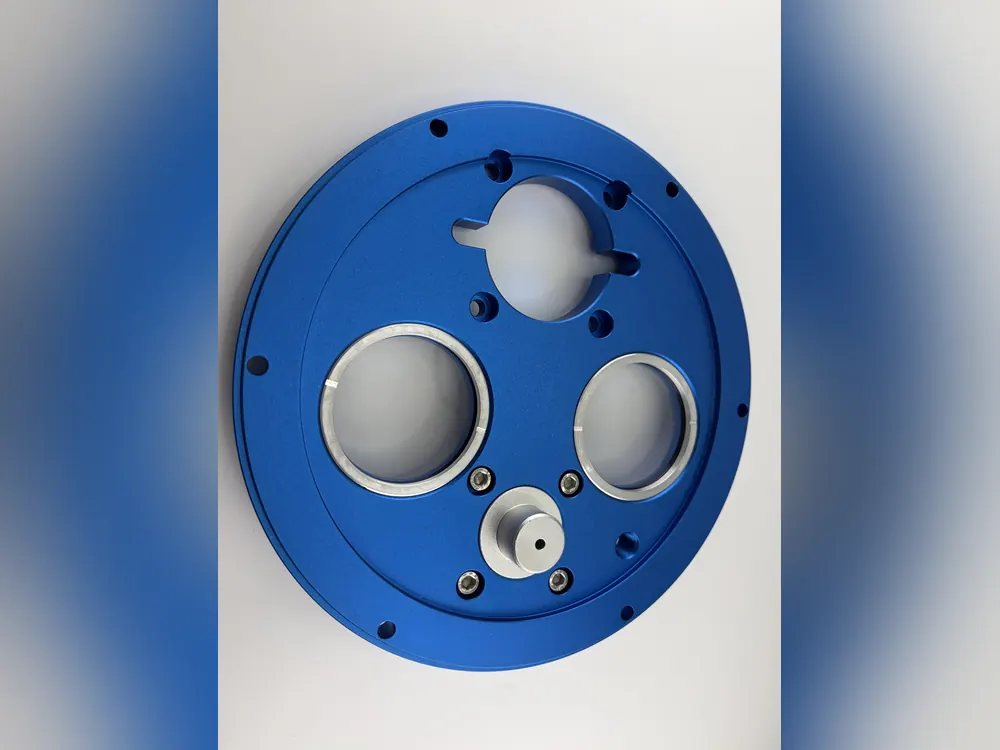
6061 · 50 sets
Aluminum CNC machining at Meili
- 6061 and 7075 in stock; other grades in about 3 days, certificates on request
- 0.005 mm on same-face features, walls to about 0.5 mm
- Anodizing at specialist partners, sizes and threads re-checked by us
- From 1 piece; unit price drops sharply from 20
Finishing aluminum parts
Most aluminum parts we ship are anodized or bead blasted. Next come hard anodizing, chromate conversion coating, brushing, polishing, and nickel plating.
The two hardest things on cosmetic parts are color and masking. Bead blasting followed by anodizing easily comes out uneven, and blasting media that is not fully cleaned out hides in threaded holes. For parts that must match, we cut them from one plate and have them anodized in one batch. How much each finish changes size, per side, is in our anodizing thickness guide.
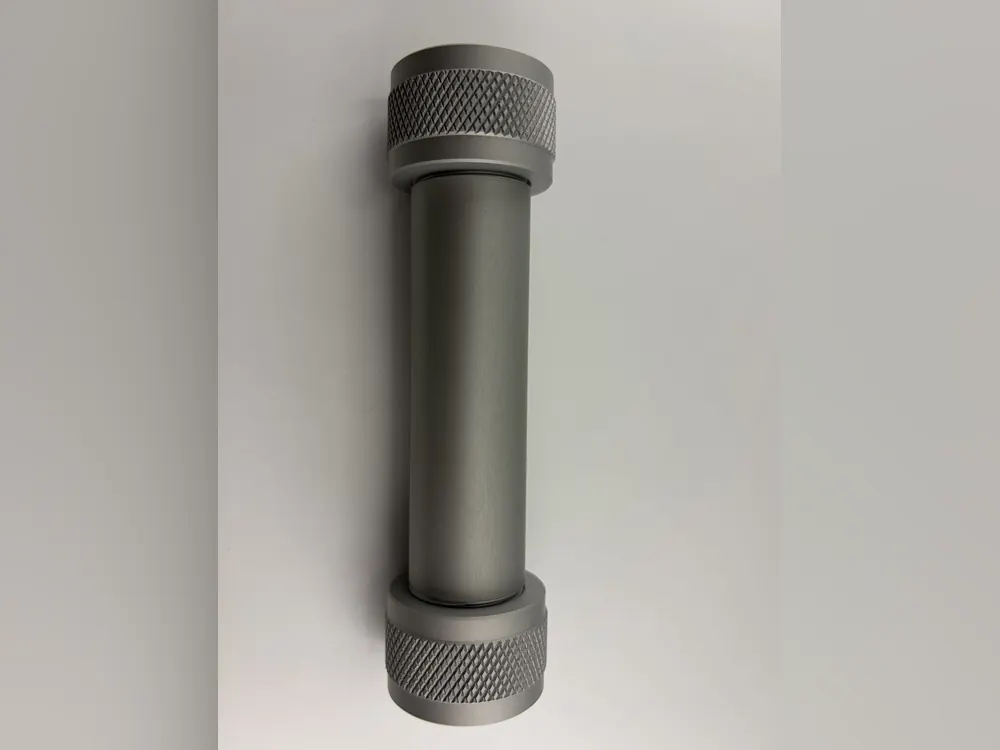
6061 · 100 sets
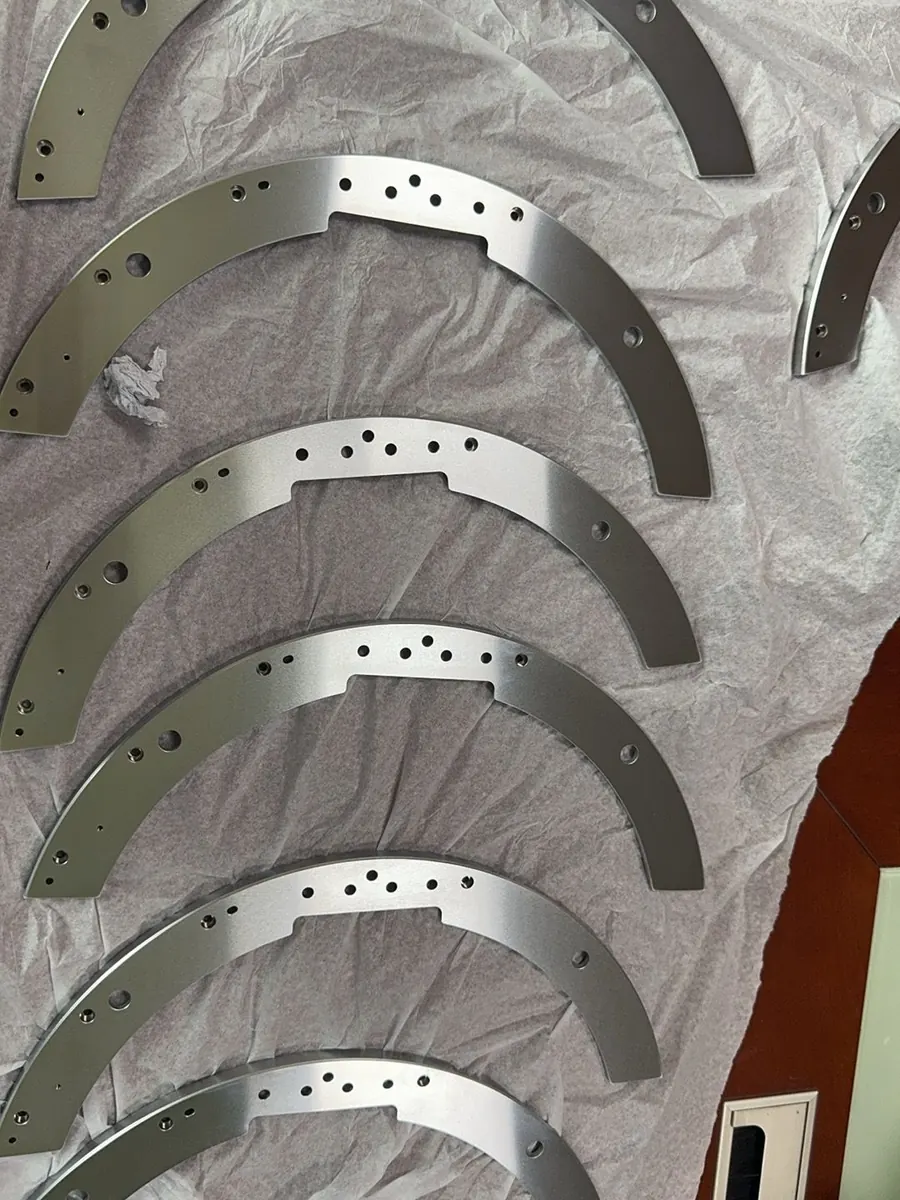
Aluminum
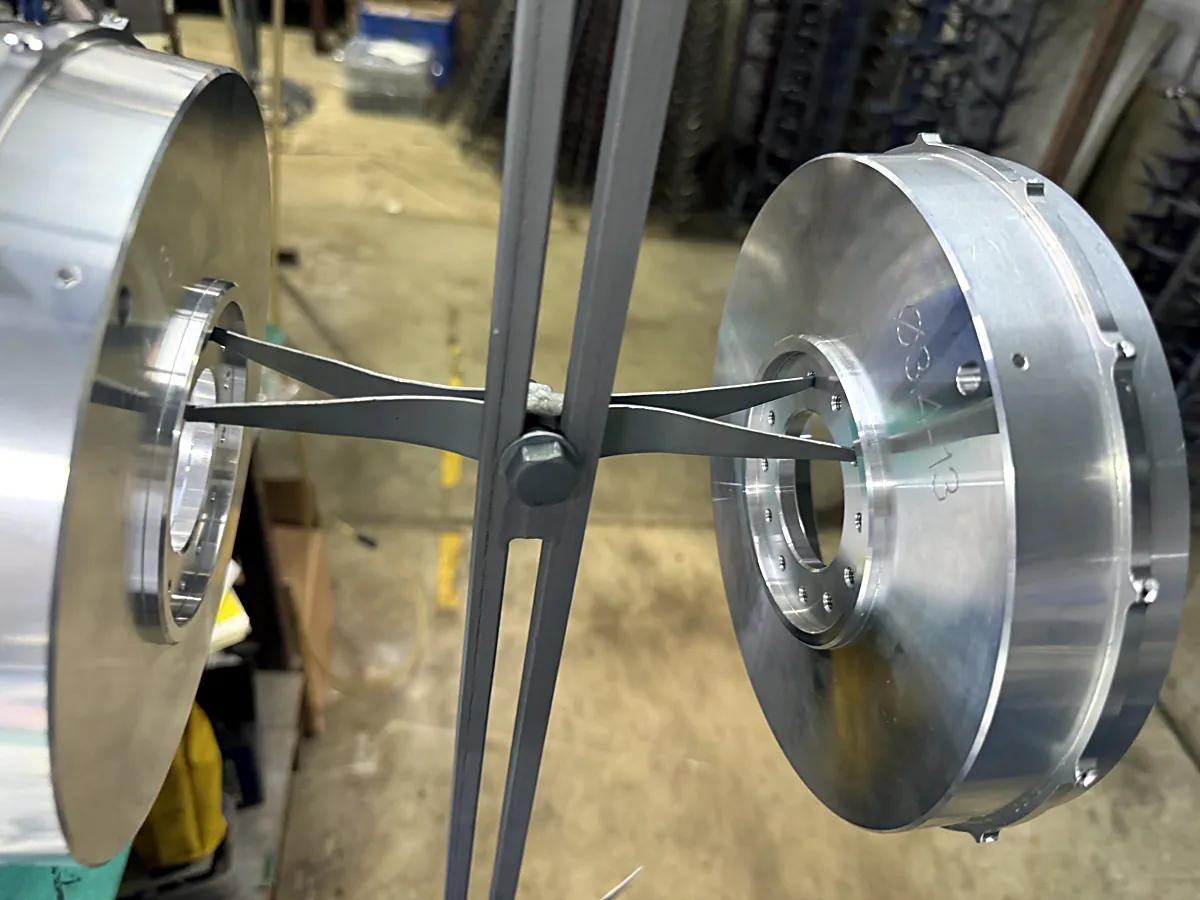
Hard anodize
Lead time and cost of aluminum parts
| Part | Typical lead time |
|---|---|
| Simple part, no finishing | About 3 days (rush: 2 days for simple 6061 in a few pieces) |
| Simple part, anodized | From 4 days (anodizing takes up to 2 days) |
| Complex part | About 15 days, including 2 days for anodizing |
Aluminum itself is not an expensive material. Most of the price is machining and programming time. On heavy parts with loose tolerances, material and everything else can come out at about 1:1: a plate that costs 100 in material becomes a part of about 200, all-in. On precise, complex parts, machine time dominates, and from 20 pieces the unit price drops sharply; here is why.
Aluminum is soft and scratches easily, mostly while moving between operations and during inspection. We handle cosmetic faces with care and pack parts separated by foam.
Quote your aluminum parts at 5, 20 and 50 pieces
Send STEP and PDF, write the alloy and finish, and put “5 / 20 / 50” in the quantity field. Reply within 24 hours.
Get an aluminum parts quoteFAQ
Which aluminum alloy is best for CNC machining?
6061 is the most common choice: it machines well, anodizes well, and is the easiest to buy. In our shop it is about 40% of aluminum work. 7075 is about 30%; it is harder and stronger. Choose by the environment the part works in; if that allows either, 6061 or 7075 will usually be the fastest and lowest-cost option.
6061 vs 7075: which should I choose?
For many automation parts the difference in use is small. 7075 is harder and stronger; 6061 is easier to anodize to an even cosmetic finish and slightly cheaper. We keep both in stock, so either is fast.
Can you provide material certificates for aluminum?
Yes. We buy to the grade the customer specifies and provide a material certificate when it is requested.
How thin can aluminum walls be CNC machined?
We typically machine aluminum walls down to about 0.5 mm. Distortion is controlled with the right fixturing and clamping, stress relief, and the choice of tools and feeds.
What tolerance can you hold on aluminum parts?
Features on the same face can be held to 0.005 mm. Because aluminum grows noticeably with temperature, the shop is air-conditioned in summer and tight features are measured after the part has settled.
How long does it take to machine and anodize aluminum parts?
Simple parts without finishing take about 3 days. With anodizing, the fastest is about 4 days, since anodizing takes up to 2 days. Complex parts take about 15 days including anodizing. Simple 6061 parts in a few pieces can be rushed in 2 days without finishing.
How much does aluminum CNC machining cost?
Mostly machining and programming time; aluminum itself is not expensive. On heavy parts with loose tolerances, material and everything else can come out at about 1:1, so a plate that costs 100 in material becomes a part of about 200 all-in. From 20 pieces the unit price drops sharply.
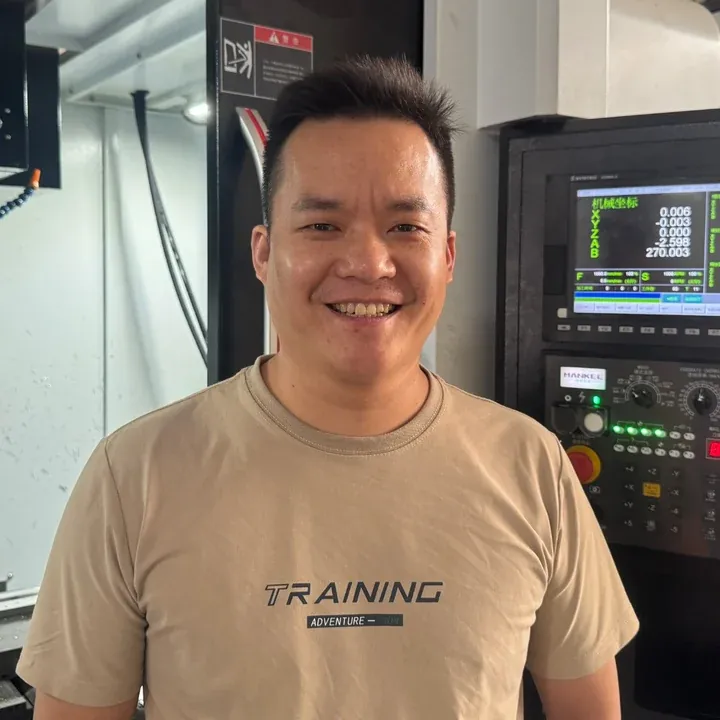
Raymond Liang
Co-founder and Technical Sales Manager at Meili Machining. Raymond spent ten years on CNC turning and milling before co-founding Meili in 2017, and he still reviews drawings and plans setups for difficult parts himself.
Alloy shares, sourcing times, limits, lead times and cases come from Raymond Liang and our shop records, October 2026. Alloy properties in the table are general material knowledge. Updated October 11, 2026.